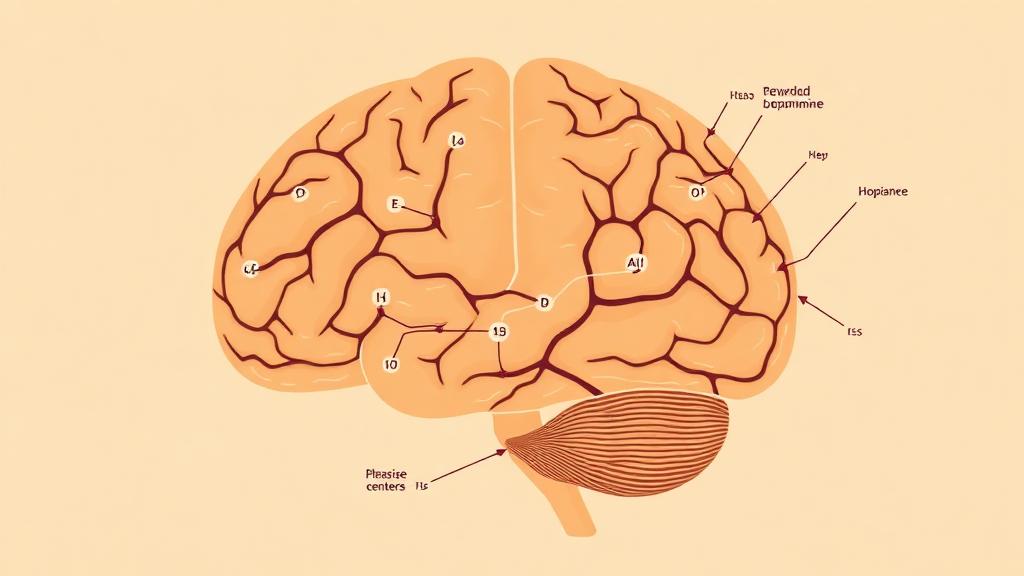
Food and exercise addictions are behavioral addictions that tap into the same reward circuitry as substance use disorders (SUD), which is why they can feel just as compulsive and devastating for families to watch. At the brain level, all three—food, exercise, and drugs—converge on dopamine‑driven reward pathways that learn, remember, and then relentlessly seek the next hit.
The Brain's Reward Circuit
When someone eats highly palatable food, uses a substance, or pushes through an intense workout, the brain's mesolimbic reward pathway releases dopamine, especially in areas like the ventral tegmental area (VTA), nucleus accumbens, and striatum. This dopamine surge creates a sense of pleasure or relief and "teaches" the brain that this behavior is important and should be repeated.
Over time, repeated overstimulation—whether from sugary foods, long runs, or drugs—can lead to adaptations such as reduced dopamine D2 receptors in the striatum, meaning the person needs more of the behavior to feel the same effect. This is the same biological pattern seen in SUD and helps explain why both food and exercise can shift from healthy choices into compulsive, ritualized habits.
Food Addiction and SUD
Research on food addiction points to strong overlap with binge eating and patterns that closely resemble drug addiction, including cravings, loss of control, and continued use despite harm. Highly processed, high‑fat, high‑sugar foods appear particularly capable of activating reward circuitry in ways that mimic drugs of abuse, driving cycles of overeating and shame.
Neuroimaging and animal studies show that chronic overeating can produce changes in brain structure and function similar to those found in people with substance addictions, including alterations in dopamine signaling and reward sensitivity. Clinically, this means a person may swear off certain foods in the morning yet feel powerless in front of them at night, just like someone with SUD who cannot follow through on promises to quit using.
Exercise Addiction and SUD
Exercise is usually protective in recovery, but at the extreme it can become an addiction that uses the same reward systems as drugs. Intense physical activity increases dopamine in the mesolimbic pathway, and for some vulnerable people this "high" becomes something they chase compulsively, even when injured, exhausted, or socially isolated.
Studies suggest that, as with substances, repeated overuse of exercise can reshape dopamine signaling, with low baseline reward and heightened response to exercise cues, reinforcing rigid routines and distress when workouts are missed. This can look like withdrawal: irritability, anxiety, or depressed mood if the person cannot exercise, mirroring the emotional crashes seen in SUD.
Shared Pathways, Shared Patterns
What unites food addiction, exercise addiction, and SUD is not the substance or activity itself, but the underlying hijacking of the brain's reward and motivation systems. All three can involve craving, tolerance, loss of control, and negative consequences. All three can be triggered by stress, emotional pain, or environmental cues. And all three benefit from treatment that addresses not only behavior, but the emotional and neurobiological roots driving compulsion.
For families, recognizing that behavioral addictions share circuits with SUD can reduce stigma and increase compassion. A person who cannot stop binge eating or who becomes distressed when unable to exercise is not simply lacking willpower—their brain has been rewired in ways that make stopping feel impossible without the right support.
Implications for Recovery and Family Support
Understanding the neurobiology of behavioral addictions helps families approach loved ones with informed compassion. It also informs treatment: cognitive behavioral therapy, mindfulness, and sometimes medication can help restore healthier reward sensitivity, just as they do for substance use.
Most importantly, seeing these addictions through a brain‑based lens helps everyone involved recognize that recovery—from food, exercise, or substance addiction—requires patience, understanding, and support for the long-term rewiring that healing demands.
Whether the addiction is to a substance or a behavior, the brain's reward system is at the center. And recovery, in every case, involves slowly teaching that system to find balance, meaning, and pleasure in a broader, healthier range of life.