Blog
Practical insights on addiction, family dynamics, and recovery. Real advice for real families navigating complex challenges.
Source pages
Start with the source guides
The blog is the library. These pages are the answer-first routes that should earn links, show up in answer engines, and move families toward the right next step.
Family Addiction Help
Start here when addiction is affecting the home and the family needs the first clear move.
Intervention Readiness
Use this when the family is wondering whether waiting has become the risk.
Enabling vs Support
Clarify whether the current help is supporting recovery or protecting the pattern.
Recovery Resources
A clean path through support tools, episodes, articles, and next-step resources.
Glossary
Plain-language addiction, treatment, intervention, and recovery definitions.

October 12, 2026
Generational Addiction: The Family Inheritance Nobody Asked For (And How to Break the Cycle)
Addiction runs in your family? How generational addiction gets passed down through biology, behavior, and silence, and the steps families take to break the cycle.

October 11, 2026
How to Talk to Kids About a Parent in Rehab: What I Tell Every Family
Not sure how to talk to kids about a parent in rehab? What to say at every age, what never to say, and the three things every kid needs to hear.

October 9, 2026
“I’ll Go Monday”: The Intervention Objections I Hear Every Week (And What I Say Back)
“I’ll go Monday.” “I can quit on my own.” The most common intervention objections, what’s underneath them, and what families can say back.

October 8, 2026
My Family Lives in Four Time Zones. Can a Long-Distance Intervention Still Work?
Family scattered across states? A long-distance intervention can still work when prep happens on video and the key conversation happens in person.

October 7, 2026
They've Been to Rehab Five Times. Can an Intervention After Failed Rehab Still Work?
Been to rehab five times? An intervention after failed rehab can still work when the plan, the family's role, and the follow-through actually change.

September 27, 2026
You Can Call and Still Say No: Why Asking for Help Isn't a Commitment
Worried that calling an interventionist means you're locked into an intervention? What actually happens when you reach out for help, and why information is not obligation.

September 22, 2026
Do I Have to Forgive Them? The Truth About Forgiving an Addict in Recovery
Your loved one got sober and everyone expects you to forgive them. What forgiving an addict in recovery really takes, and what it doesn't.

September 21, 2026
The Year of Firsts: Getting Through the First Year of Sobriety One Awkward Event at a Time
First holiday, first wedding, first funeral without a drink. Why the first year of sobriety is a year of firsts, and how families can help someone get through them.

September 19, 2026
Monitoring an Addicted Loved One: Why Counting Their Pills Is Costing You Your Life
Counting pills, checking phones, searching rooms. Why monitoring an addicted loved one keeps families stuck, and what to do with that energy instead.

September 18, 2026
The Lies We Tell for the People We Love: Why Covering for an Addicted Loved One Keeps Everyone Sick
Covering for an addicted loved one feels like loyalty, but it quietly keeps the addiction running. Why families lie for the person they love, and how to stop.

September 17, 2026
The Loan That Was Never a Loan: Why Families Keep Giving Money to an Addicted Loved One
Giving money to an addicted loved one feels like help, but it funds the problem. Why families keep paying, what the money really buys, and how to stop.

September 15, 2026
"Not My Kid, But My Problem": How Addiction in Blended Families Splits the House
Addiction in blended families hits stepparents, biological parents, and two households at once. Why it's harder, and the smallest agreement that closes the back door.

September 14, 2026
Is My Child's Addiction My Fault? What I Tell Every Parent Who Asks Me That
Is my child's addiction my fault? An interventionist with 23 years sober explains where parent guilt comes from, why it keeps families stuck, and what to do instead.

September 13, 2026
When the Addict Is Still a Kid: How Teen Addiction Affects the Whole Family
How teen addiction affects the family: the fear, the fights between parents, the siblings who go quiet, and what to do when the person in trouble is still a kid.

September 10, 2026
When They Say No: What Happens If an Intervention Fails
What happens if an intervention fails and your loved one says no? Matt Brown explains why a “no” is rarely the end — and what families do next.

September 9, 2026
The Intervention Nobody Thinks They Need: Getting Through to the High-Functioning Alcoholic
A high-functioning alcoholic intervention is different. Interventionist Matt Brown explains why the job, the money, and the good manners make it harder — and how families break through.

August 28, 2026
Keeping Them Alive Long Enough to Get Well: The Overdose Safety Plan Every Family Needs
An overdose safety plan for families keeps your loved one alive while you work toward treatment. Here is exactly what to do and what to keep in the house.

August 27, 2026
The 72 Hours After the Crisis: What to Do When the Door Cracks Open
After an overdose, arrest, or ER visit there's a short window when your loved one may say yes to help. Here's what to do in the first 72 hours.

August 24, 2026
Sober and Still Miserable: The Dry Drunk Nobody Warned You About
Sober but still miserable? Dry drunk syndrome is when the drinking stops but nothing else changes. Here's what it looks like and how to fix it.

August 17, 2026
Nobody in This Family Talks to Each Other — They Talk About Each Other
Why families with addiction stop talking to each other directly, how triangulation protects everyone from the truth, and how to break the pattern.

August 16, 2026
“At Least He’s Not Doing That Anymore”: How Families Normalize Addiction Without Ever Deciding To
Families normalize addiction one small adjustment at a time. Here's how the bar moves without anyone deciding to move it — and four ways to find it again.

August 11, 2026
Co-Parenting With an Addicted Ex: Protecting Your Kids Without Losing Yourself
You divorced the chaos, and the chaos kept visitation rights. How to protect your kids, hold real boundaries, and know when to get help.

August 10, 2026
What to Expect When You Call an Interventionist for the First Time
Nervous about calling an interventionist? Here's what actually happens on that first call — what I'll ask, what you should ask, and what comes next.

August 9, 2026
Can You Do an Intervention Without a Professional? An Honest Answer
Can you do an intervention without a professional? An interventionist with 23 years sober gives an honest answer — when families can, and when it backfires.

August 6, 2026
What Really Happens at an Intervention? What TV Gets Wrong — and What Your Family Should Actually Expect
An interventionist with 23 years sober explains what really happens at an intervention — and why the TV version gets almost everything wrong.

August 5, 2026
The Closest I Ever Came to Drinking Again: What It Taught Me About How to Stay Sober Long Term
Eight years sober, alone in a hotel room, standing in front of a minibar. What that night taught me about how to stay sober long term.

August 4, 2026
I Was the One at the End of the Table: What Your Addicted Loved One Is Really Thinking
Before I was an interventionist, I was the one being confronted. What was actually running through my head — and the one sentence that got through.

August 3, 2026
Nobody Warned Me About the Boredom
Nobody warns you about boredom in early sobriety. Why the quiet almost took me out at four months sober, and what actually worked.

August 2, 2026
I Didn't Want to Get Sober. I Got Sober Anyway.
Twenty-three years ago I said yes to sobriety just to get out of the room. Why willingness beats desire — and what families can do while they wait.

July 30, 2026
The Phone Call You Keep Not Making
You keep almost making the call. What to say, what to have ready, and what actually happens when you call an interventionist.

July 28, 2026
You Don't Need the Whole Family on Board to Start
You don't need the whole family to agree before you act. How to help a family member with addiction when you're the only one ready to move.

July 22, 2026
How to Rebuild Trust After Addiction: What Actually Works (and What Doesn't)
An interventionist with 23 years sober explains how to rebuild trust after addiction — what actually restores it, how long it takes, and what families can do.

July 21, 2026
They Got Sober. So Why Are You Still Angry?
Your loved one got sober, but you're still angry. Interventionist Matt Brown explains why family healing after addiction runs on its own timeline.

July 18, 2026
The Roles Every Family Hands Out When Addiction Moves In
Hero, scapegoat, mascot, lost child — an interventionist explains the family roles in addiction, how to spot yours, and how to step out of the script.

July 17, 2026
The Peacekeeper: When Keeping the Peace Keeps the Addiction Alive
Keeping the peace in a family with addiction often protects the addiction, not the person. Interventionist Matt Brown on the peacekeeper role and how to break the silence.

July 14, 2026
When Grandparents Become Parents Again: Raising Grandchildren Because of Addiction
Millions of grandparents are raising grandchildren because of addiction. An interventionist explains the grief, the boundaries, and where to find real support.

July 9, 2026
Who Should Be at an Intervention? Choosing the Right People for the Room
Who should be at an intervention — and who shouldn't? A professional interventionist explains how to choose the right people for the room.

July 8, 2026
Do Interventions Actually Work? An Interventionist's Honest Answer
Do interventions work? An interventionist with 20+ years of experience shares real success rates, what "working" actually means, and how families can improve the odds.

July 5, 2026
Long-Term Sobriety: Why I Still Go to Meetings After 23 Years
After 23 years sober, interventionist Matt Brown explains why he still goes to meetings — and what long-term sobriety really requires to last.

July 2, 2026
My Rock Bottom Wasn't a Crash. It Was a Quiet Tuesday Morning.
My rock bottom in addiction wasn't dramatic. It was a quiet Tuesday morning. Interventionist Matt Brown on what hitting bottom actually felt like — and why it changed everything.

July 1, 2026
Early Recovery Taught Me Who Actually Shows Up
In early recovery, I learned who actually shows up. What 23 years of sobriety taught me about the people who stay — and how families can find them.

June 30, 2026
I've Tried Everything and Nothing Works: What to Do When You're Out of Hope
Tried everything with an addicted loved one and out of hope? Interventionist Matt Brown on what to do next, and why exhaustion isn't the end of the road.

June 29, 2026
Stop Waiting for a Sign: When It's Time to Call a Professional Interventionist
If you've been managing your loved one's addiction alone and wondering when to call for help, interventionist Matt Brown shares the signs it's already time to make the call.

June 26, 2026
Hope Is a Verb: Small Daily Actions for Families Who Aren't in Crisis Yet
You don't need a crisis to act. Interventionist Matt Brown on how to help a family member with addiction through small, daily steps that build momentum long before anyone calls for help.

June 25, 2026
A Relapse Is Not a Verdict: What to Do in the First 24 Hours
A relapse isn't the end of recovery. Interventionist Matt Brown on what a relapse really means and what to do in the first 24 hours to keep your loved one safe and moving forward.

June 24, 2026
Nobody Warns You About the Second Year of Sobriety
Everybody throws a party for year one. Year two is when the room gets quiet. Interventionist Matt Brown on why the second year of sobriety is the year the real work begins.

June 23, 2026
Coming Home From Rehab: The Part Nobody Prepares Families For
Coming home from rehab is the part families aren't ready for. Interventionist Matt Brown on the first 90 days, supporting recovery without enabling, and what to do if relapse happens.

June 22, 2026
Living Amends: What Recovery Actually Asks of You After You Say Sorry
Saying sorry is the easy part. Interventionist Matt Brown on what a living amends in recovery actually requires — and why it takes years, not an apology.

June 20, 2026
Stop Talking Through Me: Triangulation in Families With Addiction
Triangulation in families with addiction means talking around the person instead of to them. Matt Brown breaks down why it backfires—and what to do instead.

June 19, 2026
Why Your Family Has Been Negotiating With Addiction — And Why It Never Works
Families of addicts often negotiate with the disease instead of responding to it. Matt Brown explains this exhausting cycle—and how to break it.

June 16, 2026
The Rescuer Trap: Why Your Help Might Be Keeping Them Sick
Loving someone with addiction can turn you into a rescuer—and rescuing keeps them sick. Interventionist Matt Brown explains why and what to do instead.

June 15, 2026
How Addiction Quietly Rewrites Family Holidays — And How to Get Them Back
How addiction quietly reshapes family holidays and traditions, and what families can do to reclaim them in recovery. Real talk from interventionist Matt Brown.

June 14, 2026
The Sibling Nobody Checks On
How addiction affects siblings in families with substance abuse — the silent toll on brothers and sisters, and how to start repairing it.

June 12, 2026
When Your Adult Child Is the One With the Addiction: What Parents Can Actually Do
When your adult child struggles with addiction, love isn't the problem — leverage is. Interventionist Matt Brown explains what parents can actually do from a position with all of the love and almost none of the legal authority.

June 10, 2026
How I Actually Decide Where Your Loved One Goes
How does an interventionist pick a treatment center for your loved one? A 22-year sober interventionist explains what actually drives the decision — clinical fit, relationships, and what's true about the person right now.

June 6, 2026
What I Wish Every Family Knew Before Calling an Interventionist
Interventionist Matt Brown shares what he wishes every family knew before making that first call — and why timing, honesty, and family readiness matter just as much as the person in crisis.

June 2, 2026
The First Year Nobody Warned Me About: What Getting Sober Actually Looks Like
Interventionist Matt Brown shares what his first year of sobriety was really like — the fog, the fear, and what finally made it stick. Real talk for families and people in recovery.

May 25, 2026
Nobody Warned Me That Getting Sober Would Change Every Relationship I Had
Recovery changes relationships in ways nobody warns you about. Matt Brown — interventionist with 22 years of sobriety — explains what families and people in recovery should expect.

May 18, 2026
The Good Days Are Part of the Problem: Intermittent Reinforcement in Addiction Families
The good days keep families stuck in a loved one's addiction cycle. Interventionist Matt Brown explains intermittent reinforcement and how to break the pattern.

May 15, 2026
The Grief Nobody Talks About: Losing Someone Who Is Still Alive to Addiction
When someone you love is still alive but lost to addiction, the grief is real — but unnamed. Interventionist Matt Brown explains ambiguous loss and how families can cope.

May 14, 2026
When Grandpa Won't Admit He Has a Problem: Older Adult Addiction
When a grandparent or elderly parent struggles with addiction, families often suffer in silence. Interventionist Matt Brown explains the signs, the family impact, and what to do next.

May 13, 2026
The Family Secret: How Addiction Teaches Everyone to Stop Talking
Addiction doesn't just affect the person using — it teaches the entire family to stop talking. Interventionist Matt Brown explains the dangerous silence and how to break it.

May 12, 2026
You Moved Out. The Patterns Didn't. What Growing Up with Addiction Does to Adults
Growing up with addiction in the family leaves marks that follow people into adulthood. Interventionist Matt Brown explains the patterns, why they happen, and what to do about them.

May 11, 2026
The Parentified Child: When Kids in Addicted Families Are Forced to Grow Up Too Fast
When a parent's addiction takes over, children often become silent caretakers. Interventionist Matt Brown explains the parentified child — and what families can do about it.

May 8, 2026
The Price of Keeping the Peace: How Conflict Avoidance Enables Addiction at Home
Keeping the peace with an addicted loved one feels like kindness — but it may be fueling the problem. Learn how conflict avoidance enables addiction and how to change the pattern.

May 8, 2026
How to Choose an Interventionist: What to Look For, What to Avoid, and the Questions That Tell You Everything
Not all interventionists are created equal. Matt Brown explains what to look for when hiring a professional interventionist — and the questions that tell you everything.

May 6, 2026
The Job Nobody Applies For: What It's Really Like to Be a Drug and Alcohol Interventionist
A professional interventionist reveals what the job actually looks like — the late calls, the travel, the family rooms, and what families should know before they hire one.

May 4, 2026
The Day I Stopped Performing Sobriety and Started Actually Living It
After 23 years sober, interventionist Matt Brown reflects on the moment he stopped going through the motions in recovery — and what it took to actually start living it.

May 1, 2026
What Nobody Tells You About Long-Term Sobriety (23 Years In, Here's the Truth)
Interventionist Matt Brown reflects on 23 years of sobriety—the unexpected truths, real gifts, and hard lessons that long-term recovery actually delivers.

April 30, 2026
You Already Know. The Problem Isn't Information.
You already know something is wrong. Matt Brown explains why families in addiction crises don't have an information problem — they have a courage problem.

April 29, 2026
The Permission You've Been Waiting For Doesn't Exist
If you're waiting for the right moment to help your addicted loved one, it's not coming. Matt Brown explains how to stop waiting and take the next right step today.

April 27, 2026
The Conversation You're Terrified to Have (And How to Actually Have It)
Afraid to confront your loved one about drinking or drug use? Matt Brown walks families through how to have the conversation clearly and calmly.

April 24, 2026
When Your Loved One Gets Sober — And You Still Can't Breathe
When a loved one gets sober, families often wait for the other shoe to drop. Matt Brown explains how rebuilding trust in recovery happens honestly over time.

April 19, 2026
You Can't Save Someone Else by Losing Yourself: The Caretaker Trap in Addiction Families
When you have an addicted loved one, it's easy to lose yourself trying to save them. Matt Brown explains the caretaker trap — and how families find their way back.

April 16, 2026
When You Don't Know Where You End and They Begin: Enmeshment, Addiction, and the Family Trap
Enmeshment in families dealing with addiction blurs boundaries and keeps everyone stuck. Interventionist Matt Brown explains what it looks like and how to break free.

April 12, 2026
The Forgotten Ones: How a Sibling's Addiction Quietly Breaks the Rest of the Family
When addiction enters a family, siblings often suffer in silence. Matt Brown explains what brothers and sisters experience — and what families can do about it.

April 8, 2026
The Work No One Sees: What Happens Before a Professional Intervention
Before the intervention room, there's weeks of preparation most families never see. Matt Brown explains what really goes into getting ready for an intervention.

April 9, 2026
When They Say No: What Happens After an Intervention Doesn't Go as Planned
When a loved one refuses treatment during an intervention, it isn't the end. Interventionist Matt Brown explains what really happens next and what families should do.

April 7, 2026
7 Intervention Myths That Keep Families Stuck (And What's Actually True)
Think interventions are ambushes or last resorts? Interventionist Matt Brown busts the 7 most common myths families believe — and what's actually true.

March 31, 2026
You Said Yes to Getting Help — Here's What Happens Next
Wondering what happens after you finally decide to call a professional interventionist? Here's a step-by-step look at how the process works — from the first phone call to treatment day — so you know exactly what to expect.

March 30, 2026
Understanding Addiction Treatment Options: A Family's Guide to Choosing the Right Level of Care
Overwhelmed by addiction treatment options? Interventionist Matt Brown breaks down detox, residential, IOP, sober living, and how to choose the right level of care for your loved one.

March 28, 2026
You're Not Powerless: What Families Can Do RIGHT NOW When a Loved One Is Addicted
Feeling helpless watching addiction destroy someone you love? You're not powerless. Matt Brown shares real, actionable steps families can take right now — no perfect plan required.

March 27, 2026
Stop Waiting for Rock Bottom: What You Can Do Right Now to Help a Loved One with Addiction
Rock bottom is not a place you wait for — it's a place people die at. Interventionist Matt Brown shares what families can do right now to help a loved one with addiction.

March 24, 2026
Why Making Amends Changed My Life More Than Getting Sober Did
Making amends in recovery is more than saying sorry. Interventionist Matt Brown shares what Step 9 really means—and why it changes lives on both sides.

March 22, 2026
When to Stop Waiting and Consider an Intervention
Seven clear signs it's time to stop waiting and consider an addiction intervention — and what intervention actually looks like when done right. By Matt Brown, professional interventionist.

March 18, 2026
Tough Love Isn't What You Think — And I've Got the Bruises to Prove It
Tough love for addiction families isn't about punishment — it's about holding compassionate boundaries. Matt Brown shares what works, what doesn't, and the line between firmness and cruelty.

March 16, 2026
Are You Helping or Enabling? How Families Accidentally Fuel Addiction
Think you're helping your addicted loved one? Learn how enabling addiction actually fuels it — and what families can do differently, from someone who's been on both sides.

March 15, 2026
When Drinking Wasn't the Real Problem: The Self-Medication Trap Families Miss
Self-medication happens when someone uses substances to manage untreated anxiety, depression, PTSD, or trauma. Learn why families miss this pattern and how dual diagnosis treatment changes everything.

March 13, 2026
Why Shame Doesn't Sober Up an Addict — It Just Drives the Using Underground
Shame is one of the most powerful emotional drivers of continued substance use — and yet it's one of the first tools families reach for. Learn why shaming backfires and what actually works instead.

March 12, 2026
The Anxiety-Addiction Loop: Why Your Loved One Can't Just "Calm Down and Stop"
Anxiety and addiction feed each other in a vicious cycle. Learn how the anxiety-addiction loop works, why 'just stop' misses the point, and what families can actually do.

March 11, 2026
The Trauma Connection: Why Your Loved One's Addiction Isn't the Whole Story
Most addiction isn't just about substances—it's about unhealed pain. Learn how trauma drives addiction and what families need to know to actually help their loved one.

March 10, 2026
What Addiction Really Looks Like From the Inside
A first-person account of addiction's internal experience: the rationalizations, shame spirals, failed attempts to quit, and moments of clarity that eventually lead to recovery.

March 9, 2026
11 Signs Your Loved One Needs Help With Drinking (And What To Do Next)
Is your family member's drinking starting to feel less funny and more scary? Here are the real signs someone needs help — explained with honesty, a little humor, and zero judgment.

March 8, 2026
What to Say at an Intervention: Scripts & Steps That Actually Work
A professional interventionist explains exactly what to say at an intervention — including word-for-word script examples, what NOT to say, and step-by-step preparation tips for families.

March 6, 2026
Alcohol Addiction Recovery: Signs, Stages & How to Get Help
Alcohol use disorder affects more than 29 million Americans. Recovery is possible at any stage — with the right support, treatment, and understanding of what to expect along the way.

March 5, 2026
Why I Built the Recovery Roadmap
Matt Brown explains why he created the Recovery Roadmap on SoberHelpline.com — a free, stage-based action plan for families navigating addiction. No marketing. No generic advice. Just 20 years of real intervention experience.

March 4, 2026
The "It Was Just a Bad Night" Myth
Why 'it was just a bad night' is one of the most dangerous phrases in addiction. Learn how families get trapped evaluating isolated events instead of recognizing escalating patterns of substance use.

February 27, 2026
Living in the Storm: What Families Experience When a Loved One Is in Active Addiction
The call comes at 2 a.m. again. Active addiction grinds families down through enabling, hypervigilance, compassion fatigue, and repeated relapse cycles. This is what it truly looks like from inside a family.

February 13, 2026
Why You're Exhausted — And It's Not Just the Drinking
You tell yourself it's the late nights. The arguments. The chaos. But the exhaustion runs deeper than that. Loving someone with addiction creates a kind of fatigue that sleep doesn't fix. It's mental. Emotional. Physiological. You are not just tired from their drinking. You're tired from living in constant anticipation. Understanding addiction-related family exhaustion is the first step toward reclaiming your energy.

February 12, 2026
Why Every Conversation About Drinking Somehow Turns Into Your Fault
You try to talk about the drinking. You stay calm. You stick to facts. And somehow, twenty minutes later, you're defending yourself. Now it's about your tone. Your stress. Your expectations. Your past mistakes. This pattern is common in addiction systems. Conversations about substance use often get flipped, redirected, or reversed. Understanding blame shifting and emotional deflection helps families stay grounded instead of getting pulled into endless arguments.

February 11, 2026
Why "They Promise It Won't Happen Again" Keeps Working on Families
If you've lived through addiction long enough, you've heard it more than once: "I swear this is the last time." The apology feels sincere. The eye contact feels real. The remorse feels deep. Families want to believe it—because hope is powerful. But in addiction systems, promises often repeat without structural change. Understanding why the apology–forgiveness cycle keeps working on families helps break the pattern without hardening your heart.

February 10, 2026
Why "I Only Drink Because I'm Stressed" Isn't the Full Story
"I'm not drinking because I'm addicted. I'm drinking because I'm stressed." This explanation sounds reasonable. Life is stressful. People deserve to unwind. But when stress becomes the primary justification for regular substance use, families need to understand what's happening. Stress can trigger drinking, but it's rarely the complete explanation. Understanding the difference between stress-related drinking and stress-justified drinking helps families respond appropriately.

February 9, 2026
Why Being Busy Isn't the Same as Being in Recovery
"I'm doing great. Look how busy I am." They point to work projects, social commitments, family obligations. The schedule is packed. The productivity looks impressive. But families sometimes confuse activity with recovery. Being busy can mask underlying struggles. It can delay necessary internal work. Understanding the difference between productive distraction and sustainable recovery helps families recognize when professional support is still needed.

February 8, 2026
When "This Time Feels Different" Actually Means Something
Families have heard it before: "This time is different." Previous attempts at sobriety failed. Promises were broken. Trust was damaged. But sometimes, this time actually is different. Families need to know how to distinguish between emotional promises and structural change. Real change includes concrete actions, professional support, and sustained behavioral shifts. Understanding the markers of genuine change helps families respond appropriately to recovery attempts.

February 7, 2026
The Hidden Danger of High-Functioning Cocaine Use
"I'm not like other drug users. I have a job, pay my bills, and function normally." High-functioning cocaine use can be particularly deceptive. The person maintains professional success while engaging in regular substance use. Performance may actually improve initially. But functioning doesn't eliminate addiction risk. Understanding high-functioning substance use helps families recognize warning signs and understand when professional intervention is necessary.

February 6, 2026
How to Talk About Addiction When Every Word Feels Wrong
Talking about addiction feels impossible. Say too much, and you're attacking. Say too little, and you're enabling. Use the wrong tone, and the conversation ends. Use the right tone, and still nothing changes. Families struggle with communication because addiction systems resist direct conversation. Understanding how to approach these discussions—and when to step back—helps families navigate this challenging dynamic.

February 5, 2026
Why Trying Hard Isn't the Same as Getting Better
"But they're really trying." Families see the effort. The self-help books. The attempts to cut back. The promises to do better. Effort feels meaningful because it suggests hope. But in addiction, effort without structure often leads to repeated cycles. Understanding the difference between trying and changing helps families maintain support without enabling ineffective patterns.

February 4, 2026
When Things Get Worse Right After They Get Better
They were doing well. Really well. For weeks, maybe months. Then suddenly, everything collapsed. The drinking came back worse than before. The behavior became more destructive. Families are confused and heartbroken. This pattern—temporary stability followed by escalation—is common in early recovery attempts. Understanding rebound effects helps families prepare for setbacks and maintain appropriate expectations.

February 3, 2026
Why Heartfelt Apologies Don't Automatically Create Change
The apology feels real. Deep remorse. Genuine tears. Sincere promises. But apologies in addiction systems can become substitutes for structural change. Families want to believe that feeling sorry equals getting better. Understanding why emotional remorse doesn't automatically create behavioral change helps families maintain compassionate boundaries while requiring concrete action.

February 2, 2026
Why Understanding Your Problem Isn't the Same as Solving It
"I know I have a problem." They can articulate the issue perfectly. They understand the consequences. They recognize the pattern. They read books about recovery. But knowledge doesn't equal behavior change. Insight doesn't automatically create sobriety. Families often confuse understanding with recovery. Recognizing this gap helps families support actual change rather than intellectual awareness.

February 1, 2026
When Fear of Making Things Worse Prevents Making Things Better
"What if I make it worse?" This fear paralyzes families. Setting boundaries might trigger more drinking. Confronting the issue might create conflict. Seeking professional help might damage relationships. But avoiding action also creates consequences. Understanding how fear keeps families stuck helps identify when professional guidance is necessary to break through paralysis.

January 31, 2026
The Dangerous Myth of Controlled Drinking in Recovery
"I can handle just one drink now." They've been sober for months. They feel confident. They believe they've learned control. But controlled drinking after addiction is often an illusion. The brain's reward pathways remain altered. Understanding why moderation attempts frequently fail helps families recognize relapse warning signs and maintain realistic expectations.

January 30, 2026
How Addiction Finds Loopholes in Every Agreement
You agree on boundaries. Clear rules. Specific consequences. But somehow, the addiction finds ways around every agreement. Technical interpretations. Semantic arguments. Exceptions for special circumstances. Understanding how addiction systems exploit loopholes helps families create clearer, more effective boundaries that resist manipulation.

January 29, 2026
Why Addiction Thrives in Gray Areas and Families Need Black and White
Addiction loves ambiguity. "Maybe," "sometimes," "it depends"—these create space for negotiation and rationalization. Families often try to be understanding by allowing gray areas. But clarity creates safety. Understanding when to eliminate ambiguity helps families establish clear expectations and consequences that support recovery rather than enable continued use.
January 28, 2026
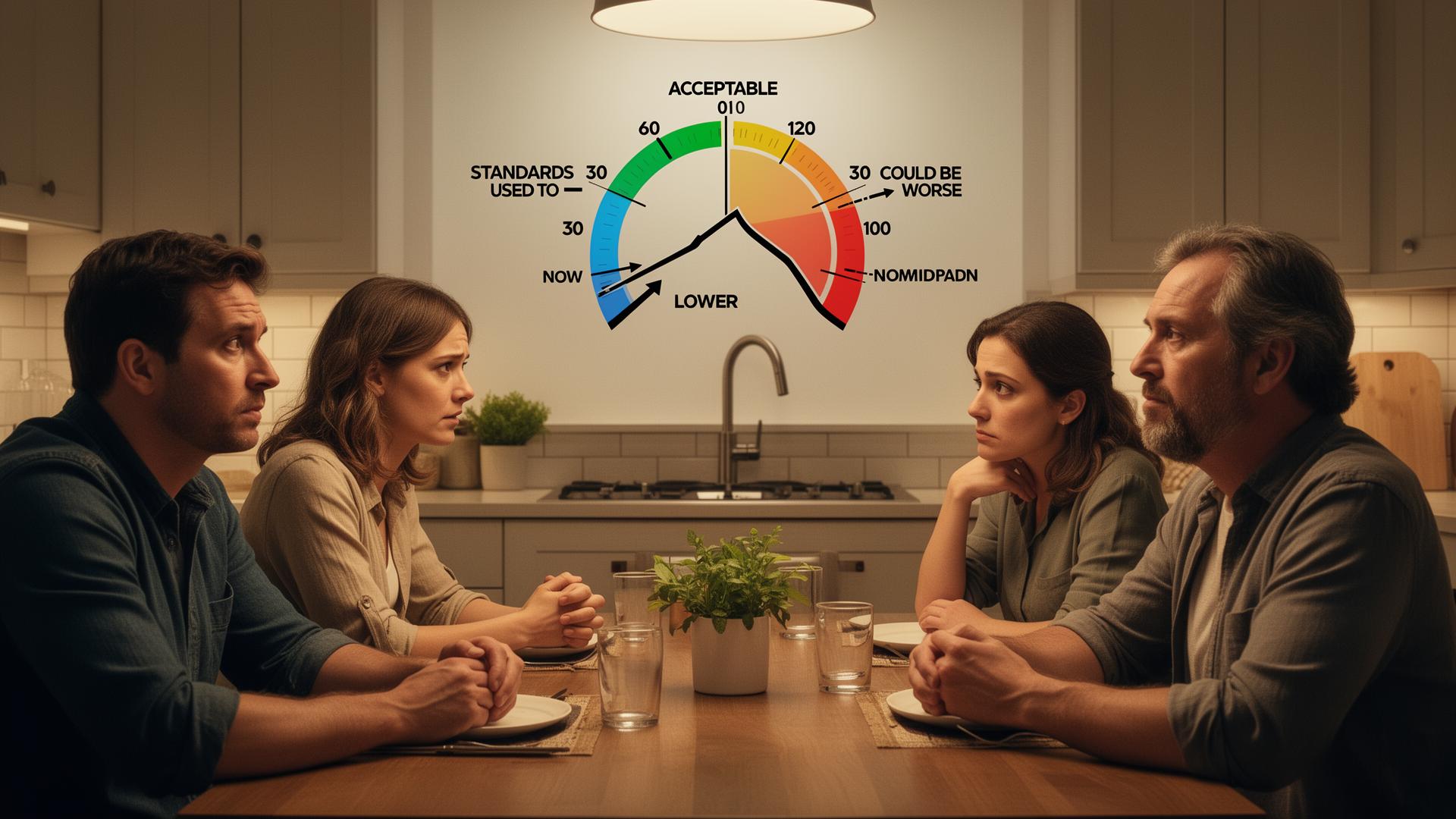
How Families Slowly Accept the Unacceptable
It starts small. Missing dinner occasionally. Coming home late sometimes. Drinking a little more than usual. But gradually, "occasional" becomes regular. "Sometimes" becomes often. "A little more" becomes a lot more. Families adapt to incremental changes without noticing the overall shift. Understanding this sliding baseline helps families recognize when normal has become harmful.

January 27, 2026
Why Self-Awareness Isn't the Same as Self-Change
"I'm very aware of my drinking patterns." They can describe their triggers perfectly. They understand their emotional patterns. They recognize their behaviors. This insight feels encouraging to families. But self-awareness without behavioral change is common in addiction. Understanding the difference between insight and recovery helps families maintain realistic expectations and appropriate support.

January 26, 2026
Why "I'm Cutting Back" Often Becomes "I'm Still Drinking"
"I don't need to quit completely. I just need to drink less." Moderation sounds reasonable. It feels less extreme than total abstinence. But for many people with substance use disorders, moderation becomes a loophole that maintains access while appearing to address the problem. Understanding why moderation often fails helps families set appropriate expectations and boundaries.

January 25, 2026
How High-Functioning Addiction Hides Behind Success
"Look at everything I've accomplished." Career success, financial stability, maintained relationships—these achievements can mask underlying addiction. High-functioning addiction is particularly dangerous because external success becomes evidence against the problem. Understanding how addiction can coexist with achievement helps families recognize warning signs that others might miss.

January 24, 2026
Why "They'll Grow Out of It" Can Be Dangerous Thinking
"It's just a phase. They'll outgrow it." This thinking is common with younger people, especially in college or early career years. Heavy drinking can seem normal in certain environments. But addiction doesn't always resolve with age. Understanding when substance use patterns require intervention—regardless of age—helps families respond appropriately rather than waiting for natural resolution.
January 23, 2026
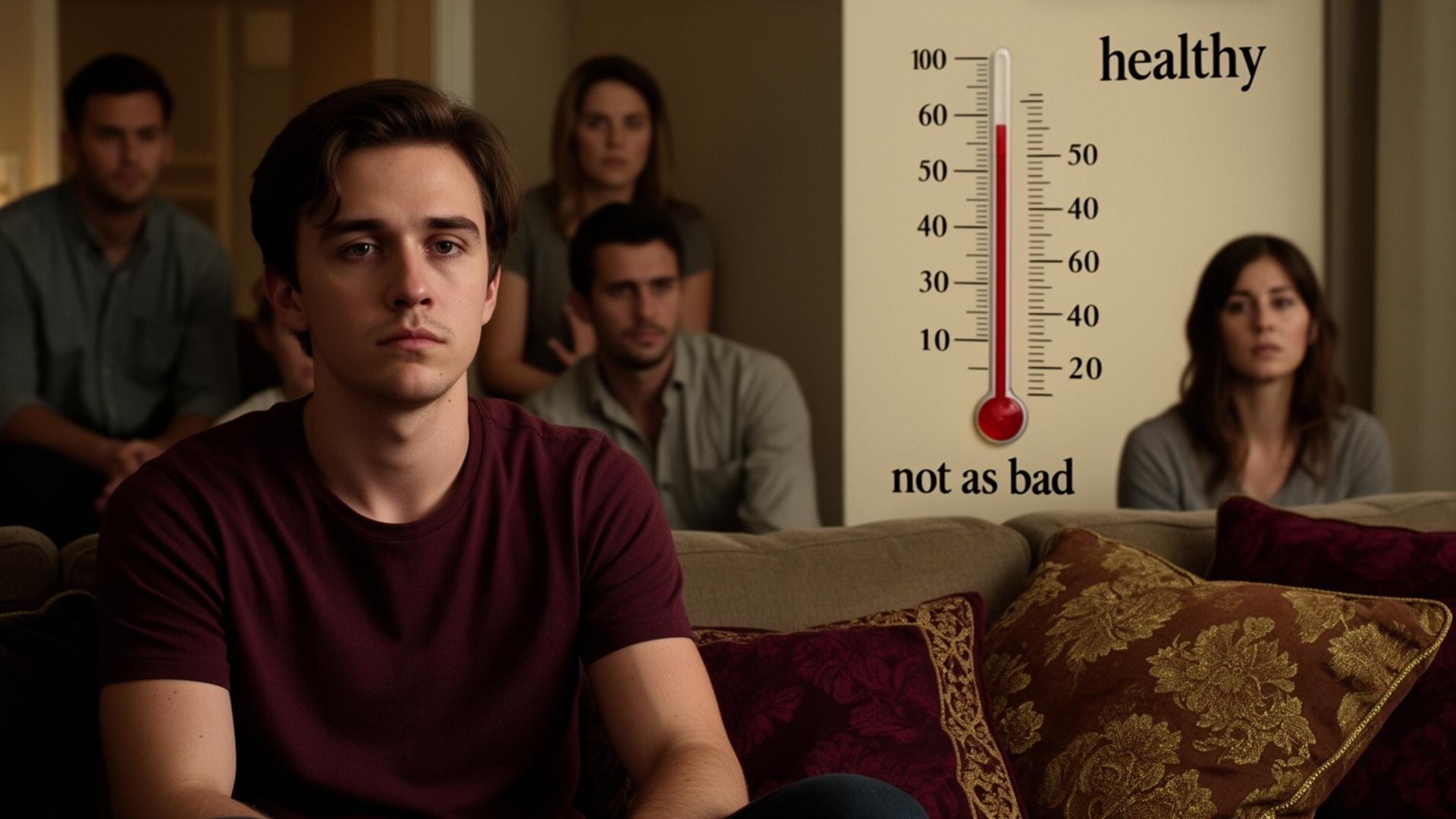
How "At Least I'm Not Like..." Minimizes Real Problems
"At least I'm not drinking in the morning." "At least I still have my job." "At least I'm not homeless." These comparisons to worse situations can minimize legitimate concerns. Addiction uses downward comparisons to avoid confronting current problems. Understanding this pattern helps families maintain perspective on actual behavior rather than relative behavior.

January 22, 2026
The Financial and Emotional Devastation Families Don't See Coming
Gambling addiction can be nearly invisible until the damage is catastrophic. No physical symptoms. No obvious impairment. Just increasing financial secrecy and emotional distance. By the time families recognize the problem, significant damage may have occurred. Understanding gambling addiction helps families recognize warning signs and understand the unique challenges of this behavioral addiction.

January 21, 2026
The Most Important Questions Families Should Be Asking
Families spend time wondering: "Why won't they stop?" "Don't they care about us?" "What did we do wrong?" But these questions often lead to guilt and confusion. More productive questions focus on practical next steps and family responses. Understanding which questions help versus which questions hurt redirects energy toward useful action.

January 20, 2026
How "It's Not That Bad" Prevents Getting Help
"Things aren't that bad yet." This minimization can come from families or from the person struggling. Comparing current problems to imagined worse scenarios creates false reassurance. But waiting for "bad enough" often means waiting for preventable damage. Understanding how minimization delays intervention helps families recognize when professional help is appropriate.

January 19, 2026
Why Bargaining with Addiction Never Works Long-Term
"If you promise to only drink on weekends..." "What if we limit it to two drinks..." "Can we agree on no drinking before 5pm..." These negotiations feel reasonable. They represent compromise. But addiction doesn't honor agreements the way people do. Understanding why bargaining typically fails helps families move toward clearer boundaries and expectations.

January 18, 2026
The Difference Between Guilt and Responsibility in Family Addiction
"If only I had done something different." Families carry enormous guilt about addiction. They replay decisions, wonder about missed opportunities, blame themselves for outcomes. But guilt about causation is different from responsibility for response. Understanding this distinction helps families process emotions while taking appropriate action moving forward.

January 17, 2026
Why Patience Without Boundaries Enables Continued Use
"We need to be patient with them." Patience feels compassionate. It acknowledges that change takes time. Recovery is a process. But patience without structure can become enabling. Indefinite patience without consequences may actually prevent necessary change. Understanding when patience helps versus when it hurts guides families toward more effective support.

January 16, 2026
What "Stop Enabling" Actually Means in Practice
"You need to stop enabling them." This advice sounds clear until you try to implement it. What exactly is enabling? What's supporting versus carrying? How do you help without helping the addiction? Understanding the practical difference between enabling and supporting helps families maintain relationships while encouraging recovery.

January 15, 2026
Why Advice That Sounds Wise Often Fails Families
"Just love them through it." "Give it time." "They have to want to change." This advice sounds wise and compassionate. It feels meaningful. But families need practical guidance, not philosophical concepts. Understanding why generic advice often fails helps families seek more specific, actionable support for their particular situation.

January 14, 2026
The Problem with "Just Let Go and Let God"
"You can't control their drinking. Just let go and let God." This spiritual advice can be meaningful for some families. But "letting go" without clear boundaries can become passive enabling. Understanding the difference between spiritual surrender and practical boundaries helps families maintain faith while taking appropriate action.

January 13, 2026
When Fear of Conflict Keeps the Whole House Walking on Eggshells
The whole house adjusts to avoid triggering their anger. Conversations become careful. Plans change last-minute. Everyone walks on eggshells to prevent conflict. This adaptation feels like peace-keeping, but it's actually enabling emotional volatility. Understanding how fear shapes family dynamics helps identify when professional intervention is needed.
January 12, 2026
When Well-Meaning Advice Makes Everything Worse
"Have you tried just talking to them?" "Maybe you're being too harsh." "They probably just need more support." Well-meaning friends, relatives, and even professionals can offer advice that backfires spectacularly in addiction situations. Understanding why standard relationship advice often fails in addiction helps families seek specialized guidance.

January 11, 2026
How Everyone in the Family Gets Assigned a Role They Never Asked For
Addiction systems create roles for everyone: the enabler, the hero, the scapegoat, the mascot. These roles develop unconsciously as families adapt to addiction's chaos. Everyone gets assigned a part they never auditioned for. Understanding these roles helps families recognize how addiction shapes relationships and behavior patterns beyond the person who drinks or uses.

January 10, 2026
The Fine Line Between Supporting Someone and Carrying Them
"I'm just being supportive." Support feels loving and necessary. But there's a difference between supporting someone's efforts and carrying their responsibilities. Support encourages growth. Carrying prevents it. Understanding this distinction helps families maintain appropriate boundaries while still showing love and concern.
January 9, 2026
Why "Have You Tried Just Talking to Them?" Doesn't Work
"Have you tried just talking to them about it?" This suggestion assumes the problem is lack of communication. That families just need to find the right words. But addiction creates communication barriers that conversation alone cannot overcome. Understanding why talking isn't always the solution helps families recognize when other interventions are necessary.

January 8, 2026
How Enabling Often Starts as Survival, Not Love
Families don't wake up one day and decide to enable addiction. It starts as protection. Covering for someone to prevent consequences. Making excuses to avoid conflict. Providing help to prevent crisis. This behavior begins as survival strategy, not conscious choice. Understanding enabling's origins helps families recognize patterns without self-blame.

January 7, 2026
The Moment When Drinking Jokes Stop Being Funny
There's a moment when drinking stories shift from funny to concerning. When "I was so drunk" stops getting laughs and starts getting worried looks. Families notice this transition before the person drinking does. Understanding this shift helps families trust their instincts about escalating problems.

January 6, 2026
Why Families Live in Constant State of Alert
Living with addiction means constant vigilance. Scanning for signs of intoxication. Monitoring mood changes. Preparing for crises. This hypervigilance becomes exhausting. Families exist in survival mode without realizing it. Understanding this stress response helps families recognize the need for their own support and recovery.

January 5, 2026
How Self-Deprecating Humor About Drinking Masks Real Problems
"I'm such an alcoholic, haha." "I need a drink after this day." "Wine o'clock somewhere!" Humor about drinking can normalize concerning patterns. Self-deprecating jokes deflect serious conversations. Understanding how humor masks addiction helps families recognize when someone is hiding behind comedy rather than addressing real problems.

January 4, 2026
When "Mommy Juice" and Wine Jokes Stop Being Harmless
"Mommy needs her wine." "It's wine o'clock somewhere." These jokes are everywhere—on shirts, social media, coffee mugs. They normalize daily drinking and make it harder to recognize when consumption becomes problematic. Understanding how cultural humor affects perception helps families identify concerning patterns earlier.

January 3, 2026
The Dangerous Comfort of "Everyone Drinks Like This"
"All my friends drink like this." "This is normal for our social circle." "Everyone needs to unwind after work." When heavy drinking is normalized within social groups, it becomes harder to recognize individual problems. Understanding how social drinking culture can mask addiction helps families maintain perspective on concerning patterns.

January 2, 2026
How "Wine O'Clock" Culture Normalizes Daily Drinking
"It's 5 o'clock somewhere." "Mommy needs her wine." "Wine helps me relax." Social media is filled with wine culture that makes daily drinking seem normal, even necessary. This cultural acceptance can mask developing problems and make families hesitate to express concerns. Understanding how cultural normalization affects addiction recognition helps families trust their instincts.

January 1, 2026
The Myth That People Must Hit Rock Bottom Before Getting Help
"They have to hit rock bottom first." This belief keeps families waiting for some mythical moment when their loved one will suddenly want help. But rock bottom is subjective and dangerous. People can get help at any stage of addiction. Understanding why waiting for rock bottom can be harmful helps families take action earlier.

December 31, 2025
What Families Need to Know About Dry Drunk Syndrome
They stopped drinking, but the behavior patterns remain. Irritability, emotional distance, blame, and negativity continue without alcohol. This "dry drunk" syndrome confuses families who expected sobriety to solve relationship problems. Understanding that stopping drinking is just the first step helps families maintain realistic expectations and appropriate boundaries during early recovery.

December 30, 2025
Understanding the Personality Changes That Come with Addiction
"This isn't the person I married." "My child has become someone I don't recognize." Addiction changes personality in profound ways. The warm, caring person becomes distant and defensive. Understanding these changes as symptoms rather than permanent character flaws helps families maintain hope while protecting themselves from harmful behavior.

December 29, 2025
The Difference Between Enabling and Supporting: A Family Guide
"Am I helping or am I enabling?" This question torments families dealing with addiction. The line between support and enabling can seem invisible, but it's crucial for recovery. Support encourages growth and accountability. Enabling removes consequences and prevents learning. Understanding this difference helps families love effectively without contributing to the problem.

December 28, 2025
Why Medical Detox Is Often the Critical First Step
"They can just quit cold turkey." This assumption is dangerous with many substances. Alcohol and benzodiazepine withdrawal can be life-threatening. Even seemingly safer substances can cause medical complications during withdrawal. Understanding when medical supervision is necessary helps families prioritize safety and increase success rates for recovery attempts.

March 14, 2026
When Getting Out of Bed Feels Like Climbing Everest: Depression, Addiction, and What Families Need to Know
Depression and addiction are one of the most common — and most misunderstood — combinations families face. If someone you love is both depressed and using substances, you are not imagining that they seem 'worse than the average addict.' It's a double diagnosis, and it changes almost everything about how recovery has to work.

December 26, 2025
Why Medical Detox Matters More Than Willpower
"If they really wanted to quit, they could just stop." This belief ignores the physical realities of addiction. Some substances create dangerous withdrawal symptoms that require medical management. Understanding the medical component of early recovery helps families support safe, effective treatment rather than expecting willpower alone to be sufficient.

December 25, 2025
When Family Support Accidentally Becomes Enabling
"We're just trying to help." Family support comes from love, but it can inadvertently enable continued addiction. Paying bills, making excuses, or providing housing without accountability can remove the natural consequences that motivate change. Understanding how love can enable helps families support recovery without supporting the addiction.

December 24, 2025
The Fine Line: Helping vs. Enabling in Addiction
"I don't know if I'm helping or making it worse." This confusion paralyzes many families. The desire to help is natural and loving. But help can become enabling when it shields someone from consequences or removes their responsibility. Understanding this distinction is crucial for families who want to support recovery without prolonging addiction.

December 23, 2025
Why Understanding Addiction Is the First Step for Families
"Why can't they just stop?" This question reflects a fundamental misunderstanding of addiction as a brain disease. Education about addiction helps families shift from moral judgments to medical understanding. This knowledge reduces blame, increases compassion, and leads to more effective responses. Understanding addiction as a disease changes everything about how families approach treatment and recovery.
December 22, 2025
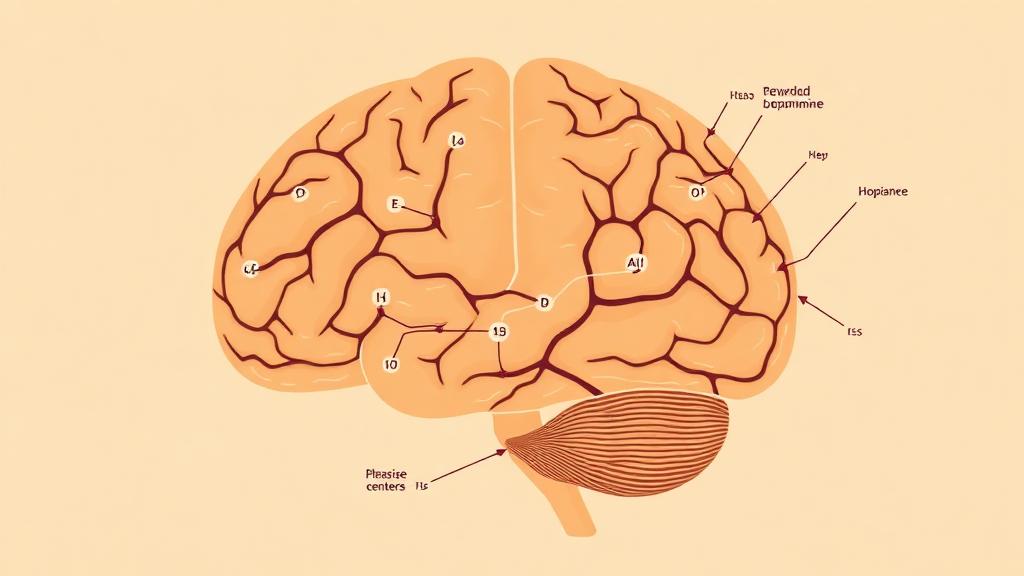
How Addiction Changes the Brain's Reward System
"They choose drugs over everything that matters." This seems incomprehensible until you understand how addiction rewires the brain. Substances hijack the reward system, making drugs feel more important than food, family, or survival. Understanding these neurological changes helps families recognize addiction as a medical condition requiring treatment, not a moral failing requiring judgment.

December 21, 2025
Is There Ever a Right Moment to Talk About Addiction?
"I'll talk to them when they're sober." "I'll wait until after the holidays." "Maybe when they're in a good mood." Families often wait for the perfect moment to address addiction, but that moment rarely comes. Understanding when and how to have these difficult conversations helps families move from waiting to acting.

December 20, 2025
The Role of Exercise and Nutrition in Sustainable Recovery
"I'm eating better and working out—that should be enough." Physical health improvements are important in recovery, but they're not sufficient alone. Exercise and nutrition support recovery but can't replace addiction treatment. Understanding the role of lifestyle changes helps families maintain perspective on what constitutes comprehensive recovery planning.
Use the blog for education, then move to the page built for action.
If one of these articles sounds uncomfortably familiar, do not just keep reading in circles. Use Help Now for triage or Next Step for direction.
Recommended resource

Sober Helpline
Free family support