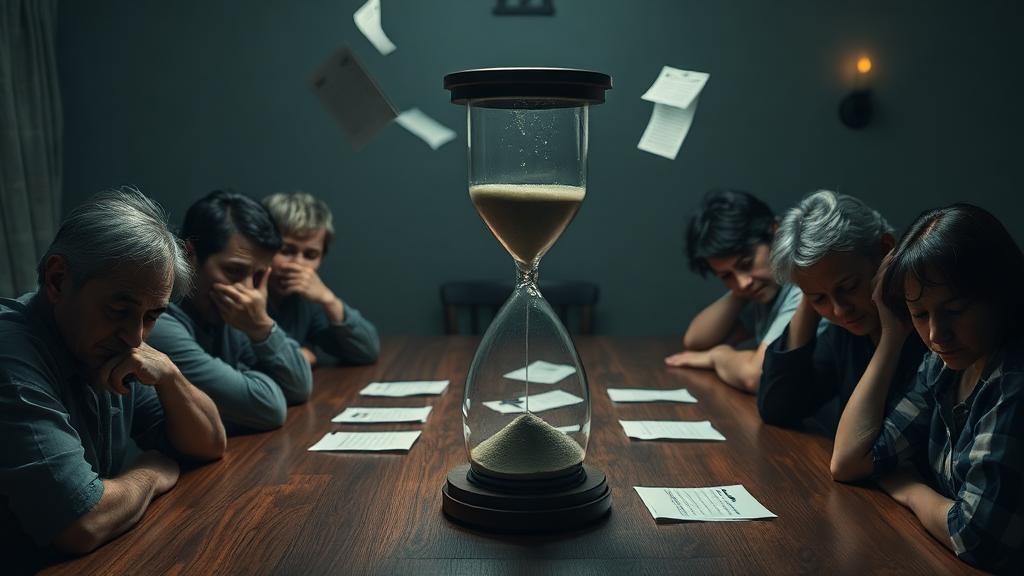
If patience were enough to fix addiction, most families wouldn't need podcasts, therapists, or interventionists. They'd just need a really good calendar and a lot of deep breaths.
Families are constantly told to be patient. Give it time. Don't push. Don't make waves. And to be fair, patience does matter. The problem is that patience without structure quickly turns into endurance—and endurance quietly becomes self-abandonment.
From lived experience, I can tell you that most families aren't impatient. They're exhausted. They've been waiting, adapting, and hoping for years. The idea that they just need to wait longer feels less like wisdom and more like a sentence.
Patience sounds noble because it removes responsibility. If change has to happen organically, then no one has to act. Everyone can stay uncomfortable together and call it compassion.
Addiction loves this setup.
As long as life remains manageable, there is no urgency. Bills get paid. Relationships limp along. Promises reset the clock. Families mistake the absence of catastrophe for progress.
What patience often turns into is normalization. Missed commitments become expected. Emotional distance becomes familiar. Trust is replaced with contingency plans. Families don't notice how much they've lowered their standards until they're living a life they barely recognize.
Here's the uncomfortable truth: patience doesn't change systems. Structure does.
Waiting without changing anything gives addiction exactly what it wants—time and predictability. The same conversations repeat. The same outcomes follow. Everyone gets better at surviving something that was never meant to be sustainable.
This doesn't mean families should panic or explode. It means patience needs boundaries. Time needs direction. Hope needs action.
Humor helps here, because otherwise this would all be too heavy to survive. Families joke about walking on eggshells, about holding their breath, about having "that look" they exchange across the room when things feel off. Laughter becomes a coping skill when clarity feels out of reach.
The Party Wreckers exists to say the quiet part out loud: patience without change is just delay dressed up as virtue.
If you've been patient and nothing has changed, that doesn't mean you failed. It means patience alone was never the solution.
This is The Party Wreckers. We don't wreck parties—we wreck myths that keep families waiting while addiction runs the clock.