Why I Built the Recovery Roadmap
I got a call last month. A mom in Phoenix. Her son was 26, using fentanyl, and she'd found him unconscious in the bathroom for the second time. She'd already called three treatment centers — two of them tried to sell her a program before asking her son's name. The third put her on hold for 40 minutes and never came back.
When she finally got to me, the first thing she said was: "I don't even know what I'm supposed to be doing right now. Nobody will just tell me what to do."
That sentence has been haunting me for 20 years. Because she's not the first person to say it. She's the thousandth.
The Gap Nobody Fills
Here's the reality of the addiction support landscape: treatment centers market to the insurance company. Therapists see you for 50 minutes a week. Support groups meet on Tuesday nights. But between those moments? Families are completely alone, making decisions in the dark that can literally mean life or death.
I've done over a thousand interventions. And in almost every single one, the family says some version of the same thing: "If we'd known what to do sooner, we would've done it sooner."
They're not lying. They would have. But nobody gave them a roadmap.
So I built one.
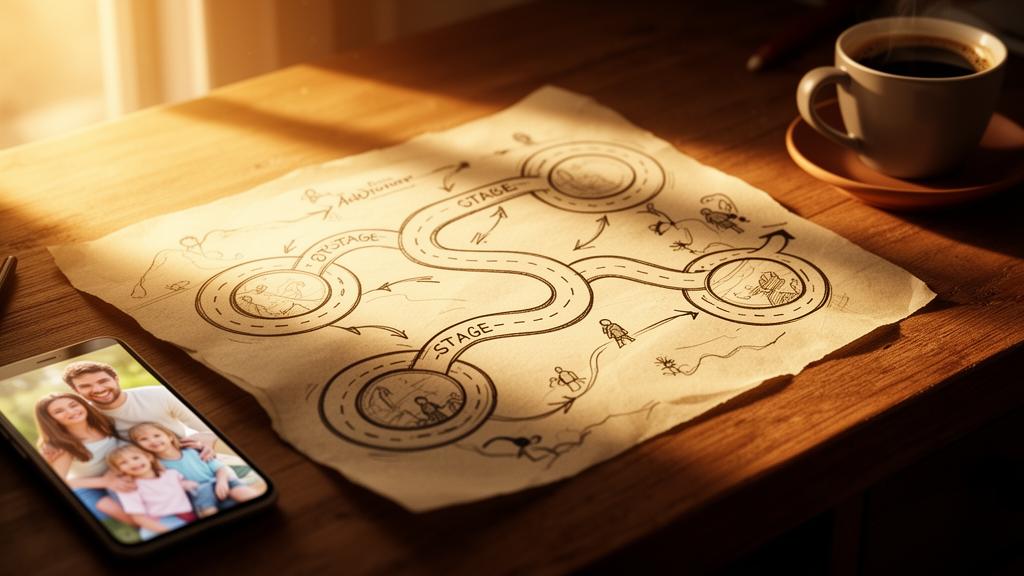
What the Recovery Roadmap Actually Is
Over 20 years of doing this work, I've watched every family go through the same stages. The names change, the substances change, the cities change — but the journey is almost always the same. Suspicion turns into confirmation. Confirmation turns into crisis. Crisis turns into either intervention or years of spinning.
I mapped those stages. Eight of them, from "I think something might be wrong" all the way through long-term recovery — and yes, through relapse, because that's part of the reality for many families.
Then I turned each stage into a step-by-step action plan. Not articles. Not generic advice. Specific things to do this week. Specific things to avoid. Specific moments where you need to pick up the phone and call a professional.
The Recovery Roadmap lives on SoberHelpline.com. It's free. You take a five-minute assessment, it identifies which stage you're in, and it gives you your roadmap. Personalized actions based on where you actually are — not where some website thinks you should be.
Why It's Different From Everything Else Out There
I'm going to be blunt. Most of what's on the internet about addiction is either:
Marketing disguised as education. Every treatment center has a blog. Every page ends with "call our admissions team." The information isn't wrong — it's just designed to sell you a $30,000 program, not to actually help you navigate Tuesday morning.
Peer support with no quality control. Facebook groups for families of addicts are full of well-meaning people giving dangerous advice. "Just let them hit rock bottom" has killed people. I'm not exaggerating.
Generic AI chatbots. No addiction expertise. No clinical understanding. Dangerously general.
The Recovery Roadmap is different because it's built from my actual playbook. Not research papers. Not marketing copy. Twenty years of sitting across from families in the worst moments of their lives, watching what works and what doesn't, and writing it all down.
When the Roadmap says "stop giving them money," it's because I've watched a thousand families fund their loved one's addiction while thinking they were helping. When it says "don't search their room without a plan," it's because I've seen that backfire so many times I lost count. When it says "call a professional, even this early," it's because the average family waits two years between knowing there's a problem and getting help. Two years.
The Part That Matters Most
Here's what I want you to hear, especially if you're listening to this podcast at midnight because you can't sleep because you're worried about someone you love:
You are not too late.
I don't care if they've been using for six months or six years. I don't care if they've been to treatment three times. I don't care if you've "tried everything." You haven't tried everything — because you haven't had a map.
This is not your fault.
Addiction is a chronic medical illness. You didn't cause it with your parenting, your marriage, your genetics, or your choices. You can't control it and you can't cure it. But you CAN respond to it differently starting today.
Your family deserves a guide.
Not just the person using. You. The parent lying awake at 3 AM. The spouse pretending everything is fine. The sibling who stopped calling. The kid who's watching all of it and doesn't understand why nobody will explain what's happening. All of you deserve better than Googling in the dark.
That's why I built this. Not as a product. Not as a funnel. As the thing I wish existed 20 years ago when I started doing this work — when families would call me desperate, and all I could say was "let me explain what we're going to do." Now they can find that explanation before they ever call me. And if they do call me, they'll be better prepared, more informed, and further along than any family I've ever worked with.
Try It
Go to SoberHelpline.com/roadmap. Take the assessment. Find your stage. Read the action plan. Check things off. And when you're ready to talk to someone — I'm here. I've always been here.
You don't have to figure this out alone. That's the whole point.
Matt Brown is the host of The Party Wreckers Podcast, founder of Freedom Interventions, and creator of the Recovery Roadmap on SoberHelpline.com. For a free consultation, call (458) 298-8000.
Listen to more episodes at partywreckers.com or wherever you get your podcasts.