The Forgotten Ones: How a Sibling's Addiction Quietly Breaks the Rest of the Family
The Night I Became the One Nobody Worried About
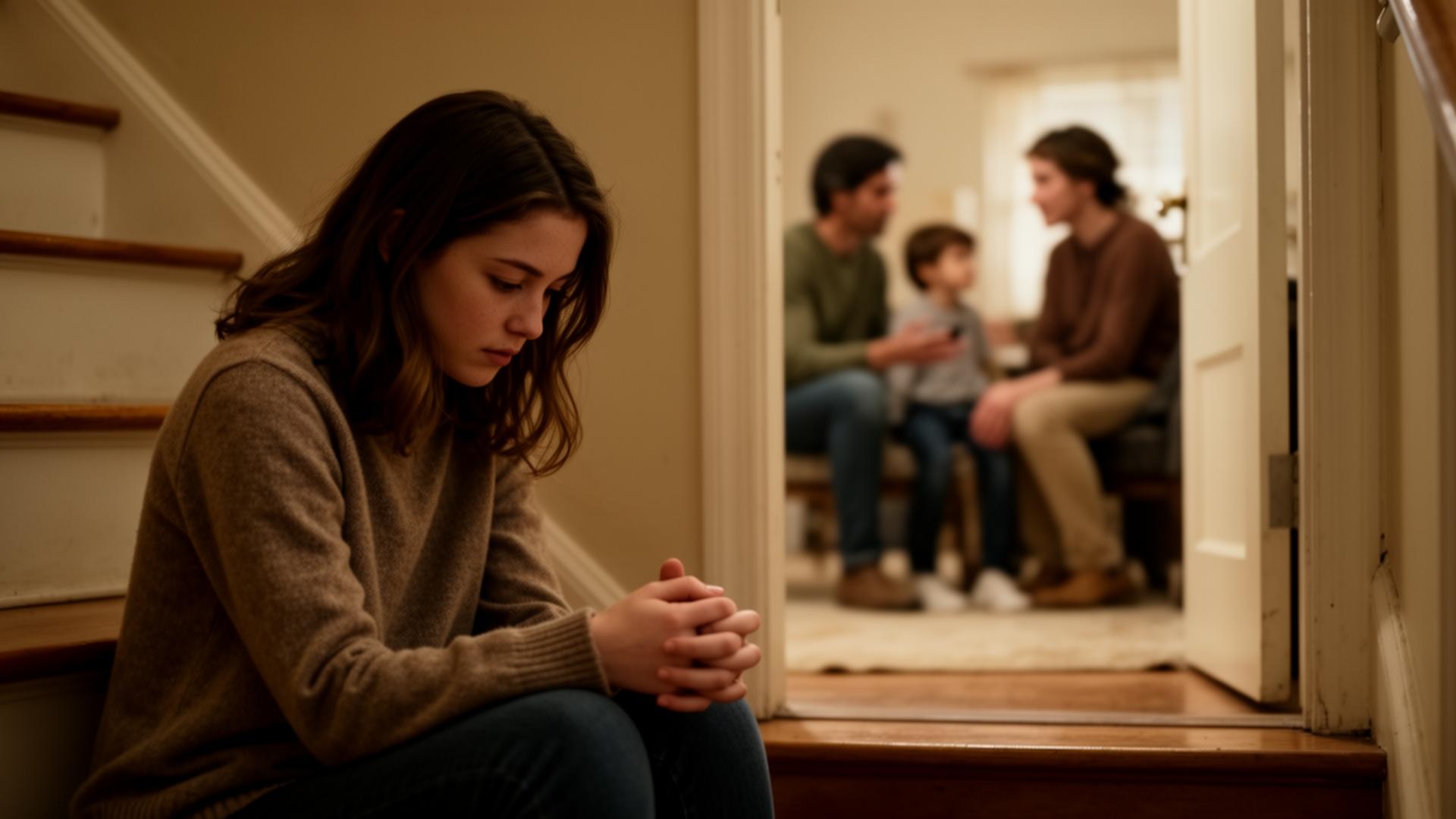
I have an older brother. He's a good man today — but for a stretch of years when we were young adults, he was struggling. I was too, in my own way, but nobody really saw that. The family energy was focused on him. His crisis was louder. My crisis was easier to overlook.
I wasn't the addicted one — but I was sitting in that house, watching my parents exhaust themselves, learning how to disappear so nobody would ask anything of me. That's a pattern I see all the time in the families I work with now. The sibling who goes quiet. The one who gets straight A's to compensate. The one who leaves and never really comes back.
When a brother or sister is caught in active addiction, the whole family reorganizes around that person's chaos. And the siblings who aren't using — the ones who are technically "fine" — often pay a cost nobody tracks.
Why Siblings Get Left Out of the Conversation About Addiction
When families contact me about a loved one struggling with addiction, they're usually calling about a son, daughter, or spouse. Occasionally it's a parent. Almost never does someone call and say, "My other kids are falling apart."
But they often are.
Here's what typically happens: one child is in crisis, and the family enters a kind of emergency mode that can last for years. The parents' attention, money, and emotional bandwidth all flow toward the person who is suffering most visibly. The other children learn to not need things. They stop asking for help. They figure out very early that their problems aren't the priority.
This isn't bad parenting. It's a natural human response to a crisis. But the unintended message the other kids absorb is: your needs don't matter right now. That message has a long shelf life.
What Does Addiction Do to Siblings? What They Actually Experience
Siblings of people struggling with addiction commonly experience anxiety, hypervigilance, grief, and a complicated mix of love, resentment, and guilt. Here's what that looks like up close.
Anxiety and Hypervigilance
They've been on high alert for years — waiting for the next phone call, the next blow-up, the next crisis. That kind of chronic stress rewires the nervous system. I've met adult siblings in their 40s who still startle easily, sleep poorly, and struggle to relax. They learned early that the other shoe always drops.
Grief Without Permission
Siblings grieve the brother or sister they used to have — or the one they thought they were going to get. But this grief is often dismissed because the person is still alive. "Why are you so sad? He's not dead." But something has been lost. That relationship, that future they imagined — it's gone, and nobody's holding a funeral for it.
Resentment and Guilt
Siblings frequently feel angry — at the person using, at their parents for focusing elsewhere, at the whole situation. And then immediately feel guilty for being angry, because "addiction is a disease" and "they can't help it." This loop of resentment and guilt can run quietly in the background for decades.
Premature Adulthood
Some siblings become hyper-responsible. They step up to fill whatever void the addicted sibling has created — financially, emotionally, practically. They become the "good one," and that role comes with its own weight. Nobody cheers when you quietly handle everything. They just keep expecting you to.
The Long Shadow: How Sibling Addiction Affects Adult Relationships
The effects of a sibling's addiction don't stop when the family is no longer under the same roof.
Adult siblings often carry invisible wounds into their own marriages and friendships. They may struggle with trust, with letting themselves depend on someone, with knowing how to ask for help. Some of them choose partners who need "fixing" — because that's the relationship template they grew up with. Others become fiercely independent, sometimes to the point of isolation.
I've sat with families where the sibling — now an adult, maybe 35 or 40 — has never spoken directly about what those years were like. They've just carried it. Built walls around it. Moved forward without ever looking back at the cost.
That's not healing. That's management. And there's a difference.
What Families Can Do Differently When Addiction Affects Siblings
The damage is real, but it's also addressable — if families are paying attention.
- Name it explicitly. If you're a parent in this situation, say out loud: "I know this has been hard on you too. Your needs matter. I haven't been as present as I should be." You don't need a perfect script. You just need to acknowledge what they've been living through.
- Don't make siblings into surrogate caregivers. Be careful about leaning on the "stable" child for emotional support regarding the addicted sibling. They're not your co-parent or your therapist. They're also in the fire.
- Let them have mixed feelings. Siblings are allowed to love their brother or sister and be furious at them. If you only allow space for sympathy and not for anger, the anger just goes underground.
- Consider family therapy — not just for the person with the substance use disorder, but for everyone. The sibling dynamic is often where generational patterns get calcified. A good therapist can help the whole family understand what happened and start to untangle it.
A Direct Note to Siblings Reading This
If you're the sibling — the one who was technically fine, who kept it together, who watched your family orbit around someone else's crisis — I want to say something directly to you:
You were affected too. What you experienced was real. The way you learned to shrink yourself, or perform adequacy, or simply disappear — that made sense given what you were living in. You don't have to carry it forever.
You are allowed to say it was hard. You are allowed to grieve. And you are allowed to ask for help — which I know, if you grew up in this, might feel like the most foreign concept imaginable.
But it's true. Help is for you too.
Frequently Asked Questions: How Addiction Affects Siblings
How does a sibling's addiction affect other brothers and sisters in the family?
Siblings often experience anxiety, grief, resentment, and emotional neglect as family attention focuses on the addicted person. These effects can persist well into adulthood and shape how siblings form relationships, handle stress, and allow themselves to ask for help.
Do siblings of addicts need therapy?
Often, yes — even if they're not in crisis. Siblings absorb significant stress and frequently develop coping patterns like hyper-responsibility, emotional shutdown, or hypervigilance that benefit from professional support. Family therapy that includes siblings is particularly valuable.
Why do siblings feel guilty when a family member struggles with addiction?
Siblings often feel guilty for feeling angry, for being "the one who turned out okay," or for not being able to fix the situation. This guilt is normal but can become corrosive over time if it's never directly addressed.
How can parents support all their children when one is struggling with addiction?
Parents can acknowledge the impact on the other children explicitly, avoid making stable siblings into emotional support for the addiction situation, create space for mixed feelings, and pursue family counseling that includes siblings who are not using.
Can growing up with an addicted sibling cause long-term trauma?
Yes. Growing up in a home where addiction is present — even when you're not the one using — can produce chronic stress responses that affect adult relationships, mental health, and emotional regulation. The impact is real and deserves real attention.
You Don't Have to Figure This Out Alone
If your family is living in the middle of this right now — if you're the parent trying to hold everything together, or the sibling who has been quietly hanging on — I'd encourage you to reach out. This is exactly what I do. Not just the intervention itself, but helping families understand what's actually happening and what to do about it.
Listen to The Party Wreckers podcast for real conversations about addiction, family, and what recovery actually looks like. New episodes every week.
And if you're ready to talk, visit FreedomInterventions.com. I'm a real person, not a call center. We'll figure out what the right next step is together.