The Day I Stopped Performing Sobriety and Started Actually Living It
Article answer
What does it mean to stop performing sobriety?
It means moving beyond looking sober from the outside and building an honest recovery life with accountability, humility, connection, and behavior change.
External compliance is not the same as recovery.
Long-term sobriety requires emotional honesty.
Families can support recovery without managing it.
Best next steps
- 1.Look for behavior change.
- 2.Support structure, not appearances.
- 3.Use family recovery resources.
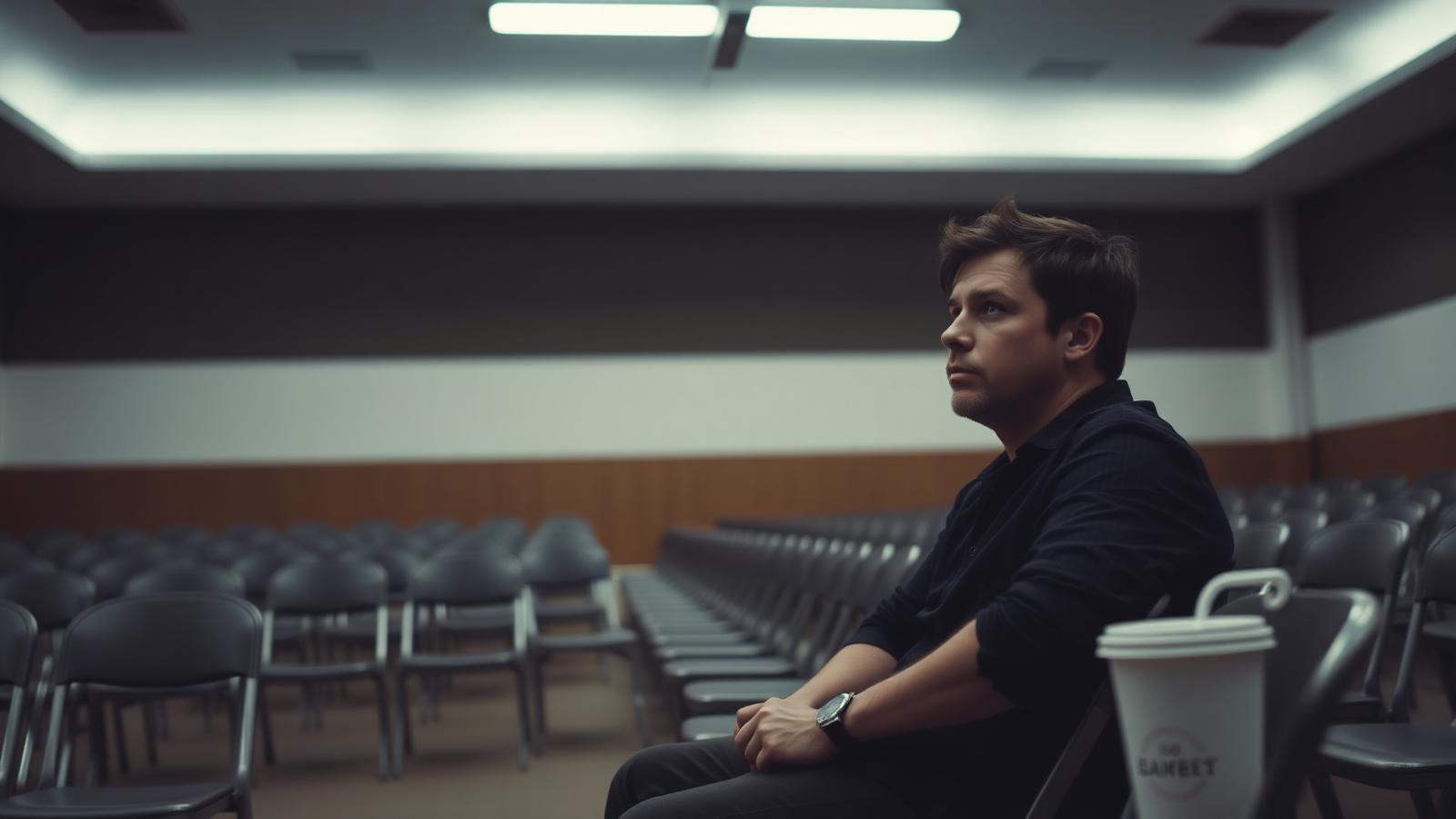
I remember the meeting. I can still picture the hard plastic chair, the styrofoam cup, the fluorescent hum. I was saying the right things. I was showing up. I had a sponsor. I was working the steps. I wasn't drinking. By every external measure, I was doing recovery correctly.
And I was absolutely miserable.
Not the dramatic, fall-apart kind of miserable. The quiet, hollow kind — where you're going through all the motions and wondering why you still feel like a stranger inside your own life.
That was somewhere around year two or three. And what I didn't understand yet was that I had confused sobriety with performance. I was performing what real recovery feels like instead of actually living it.
What Does 'Performing Sobriety' Actually Look Like?
Performance sobriety is doing all the right things for all the wrong reasons. You show up to meetings because you're supposed to. You call your sponsor because that's the rule. You say you're fine because that's easier than explaining that you're not.
It looks a lot like recovery from the outside. And it can last for years.
For me, it looked like building a version of myself that other people in the rooms would approve of. I learned the language fast. I knew how to tell my story in a way that landed. I could share in a meeting and have people come up afterward and say, 'Thank you, I needed that.'
And part of me loved that. Part of me had built my entire identity — even before I got sober — around being the person who said the thing that helped. The guy who had the answer. The one who could hold it together.
I had just traded one performance for another.
The Moment Something Actually Shifted
I can't point to a single day. But I can tell you the general territory.
It was somewhere around year three, and I was in a conversation with my sponsor — not a scheduled call, not a step-work session, but one of those unplanned conversations where something real slips out. I admitted I didn't know if I actually wanted the life I was building — or if I just wanted to be seen as someone who was building a good life.
He didn't say much. He asked me one question: 'Who are you when nobody's watching?'
I didn't have an answer. That scared me more than drinking ever had.
That was the beginning of something different. Not a dramatic awakening — just a slow, uncomfortable shift from performance to presence. From doing recovery to actually living it. From managing how I appeared to other people to actually being curious about who I was.
What Real Recovery Actually Requires
Here's what I've learned after 23 years: what real recovery feels like isn't peace and contentment all the time. It's not arriving somewhere. It's being willing to stay honest — especially when honesty is inconvenient.
Real recovery requires learning to sit with yourself without managing how you appear to other people. That's harder than putting down the bottle. The bottle was easy to identify. The performance was invisible.
For me, living it — not just performing it — meant:
- Telling the truth when the easier, polished version of the story was right there.
- Asking for help before I was desperate enough to 'need' it by anyone else's standard.
- Feeling things I'd been chemically managing since I was a teenager.
- Letting people see me when I wasn't doing well, not just when I had it together.
That last one still trips me up sometimes. Even now.
I work with families in crisis for a living. I've been present for hundreds of interventions. I've helped countless families get their person to treatment. And I still have moments where I default to projecting competence instead of just being honest. Old habits. Old armor.
Recovery is a daily choice to show up as the real version — not the polished version.
What Families Need to Know About This
If you're watching someone you love go through early recovery — or even a few years in — and something feels off even though they're 'doing everything right,' you're probably not imagining it. Performance sobriety is real. And it's not a moral failure — it's a normal phase.
Most people who stay sober long enough eventually hit the wall where the external structure stops being enough and real internal work has to begin. The meeting attendance and the sponsor calls and the chip ceremonies don't reach the parts that actually need to change. Something more personal has to happen.
What families sometimes interpret as 'he's not really committed' or 'she's going to relapse' is often someone who is sober and struggling — two things that absolutely can coexist.
You can support the shift from performance to presence by:
- Not rewarding the performance. Stop treating sobriety like it earns extra credit. It's the floor, not the ceiling. Celebrate real moments, not the optics.
- Being honest yourself. If the whole family is performing — acting like everything's fine when it's not — you're building a house of mirrors. Your authenticity gives them permission for theirs.
- Asking real questions. Not 'How's your recovery going?' Try: 'What's actually hard for you right now?' The second question gets a different answer.
The shift from performance to presence can't be forced from the outside. But the environment you build around someone matters more than most families realize.
What 23 Years Looks Like From Here
I'm not performing anymore. At least not as much. I catch myself sometimes — defaulting to the professional interventionist instead of the human being. Wrapping things up too neatly because staying in the mess is uncomfortable. Saying something true in a meeting but not what's real.
But I can catch it now. That's the difference.
Twenty-three years in, what real recovery feels like is this: I have a self. It's not a version I engineered for approval. It's mine — broken in specific places, strong in others, genuinely curious about what comes next.
I couldn't have told you that in year one. Honestly, I couldn't have told you that in year five. It took time. It took willingness. It took a few people asking me questions I didn't want to answer and staying in the room while I figured it out.
If you're early in recovery and you feel hollow even though you're doing everything right — I'm not going to tell you to push through it. I'm going to tell you that the hollowness is pointing at something real. Follow it. That's where the actual work lives.
Sobriety was always the starting line. Recovery is the rest of the race — and it looks a lot less like performance than most people expect.
Frequently Asked Questions
Is it normal to feel empty in early sobriety even when you're doing everything right?
Yes — and it's more common than people talk about. Early recovery often involves going through the motions before the real emotional work begins. Feeling hollow while staying sober isn't failure; it's often the doorway into genuine recovery. It usually means the surface-level structure has done its job and something deeper needs attention.
How do you know if someone in recovery is performing sobriety vs. actually healing?
Look for authenticity, not activity. Someone performing sobriety stays busy with recovery-adjacent tasks but avoids real vulnerability. Someone genuinely healing tends to be more honest — including about uncertainty, struggle, and the things they don't have figured out. They're less polished, not more.
How long does it take before sobriety starts to feel real?
It varies, but for many people the shift from performance to genuine presence happens somewhere between years two and five — often after a challenge that external structure alone can't solve. There's no fixed timeline, but most people who stay long-term describe a recognizable turning point somewhere in that window.
What can families do if they sense their loved one is going through the motions?
Stop rewarding the performance and start asking real questions. Create an environment where honesty is welcome — including your own. Consider family coaching or therapy to address the patterns the whole family is carrying, not just the person in recovery. The family system usually needs to shift alongside the individual.
What's the difference between sobriety and recovery?
Sobriety is the absence of substances. Recovery is the ongoing process of building a life that makes sobriety worth keeping. You can be sober without being in recovery. Most people who thrive long-term find they need both — the external structure and the internal work that no meeting or sponsor can do for them.
Want More from Matt?
If this resonated, I'd love for you to listen to The Party Wreckers podcast — where I talk about these things out loud, with the same honesty I try to bring here. Find it wherever you listen to podcasts.
If your family is navigating addiction and you don't know where to start, reach out at FreedomInterventions.com. And if you want ongoing support as a family member figuring this out day by day, I'm at SoberHelpline.com.
You don't have to keep waiting and watching from the sidelines. You can ask for help too.