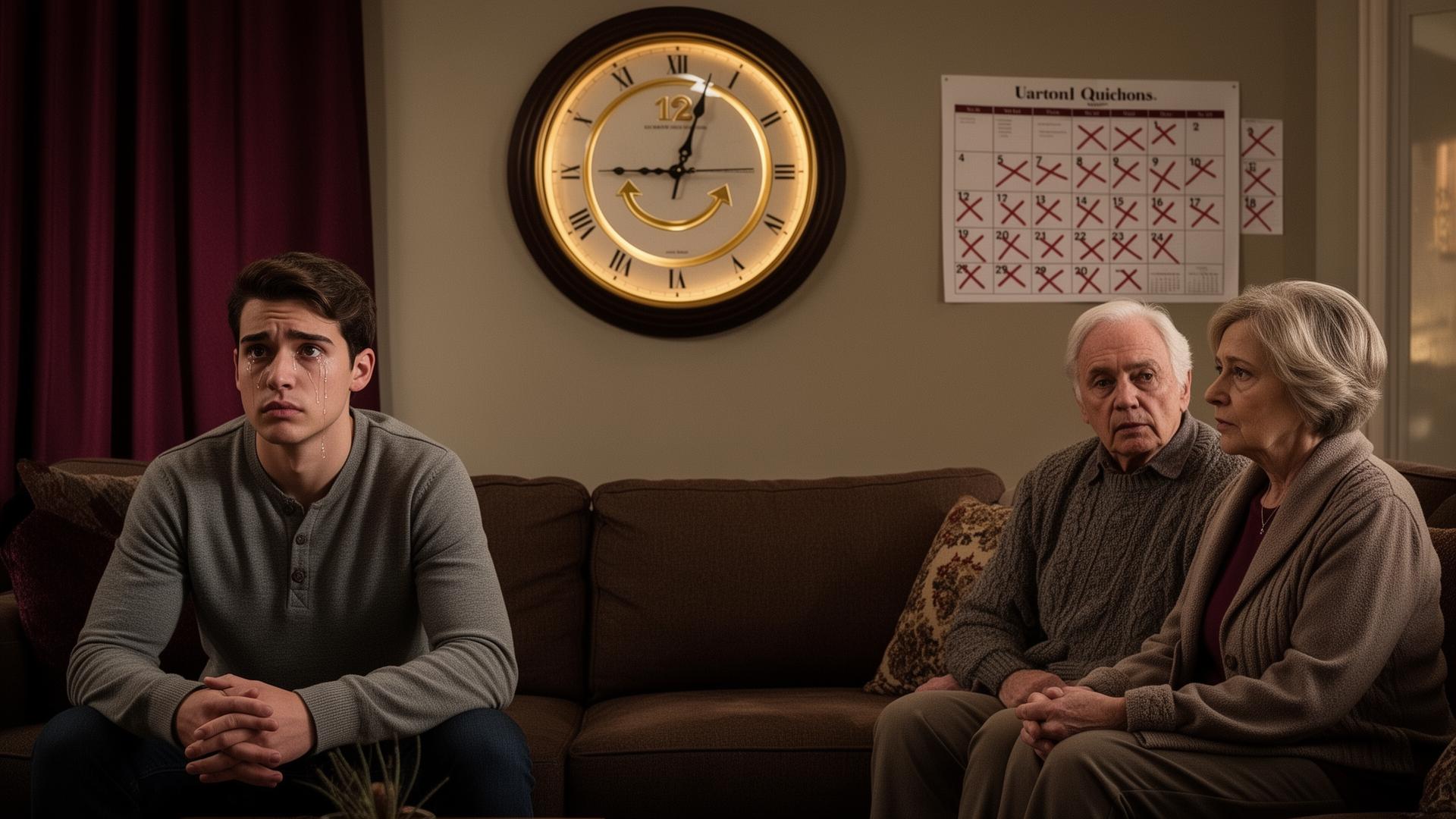
If you've lived with addiction long enough, you've probably said it—or thought it—at least once: "This time feels different." The apology sounded real. The plan seemed solid. The energy shifted. For a moment, hope returned. And then, somehow, you found yourself right back where you started. Understanding why intensity gets mistaken for change helps families stop resetting the clock every time hope spikes.
Why Hope Feels So Convincing
Hope isn't naive.
It's human.
After a period of chaos—relapse, conflict, financial strain—any sign of remorse or commitment feels like relief.
Families see:
- Tears
- Vulnerability
- Insight
- Promises
- A new plan
The emotional temperature shifts.
Relief alone can feel like progress.
But relief is not the same as structural change.
The Emotional Reset Button
Addiction cycles often include:
- Escalation
- Consequence
- Remorse
- Temporary stability
- Gradual return to old patterns
Step three—remorse—is powerful.
It resets hope.
It resets connection.
It resets expectations.
Families emotionally reset too.
They think:
"Maybe this was the turning point."
Intensity Is Not the Same as Consistency
"This time feels different" usually means:
- The apology was more emotional.
- The promise was more detailed.
- The fear seemed more real.
Intensity creates the impression of seriousness.
But addiction recovery is built on consistency—not emotional volume.
Consistency looks like:
- Following through quietly
- Showing up repeatedly
- Accepting limits without argument
- Sustained behavioral change over time
It's less dramatic.
It's more durable.
Why Families Forget the Pattern
After enough cycles, families begin to experience pattern amnesia.
They focus on the present improvement and mentally downplay past regressions.
They say:
"Well, last time wasn't like this."
"This is more serious."
"They've never sounded this sincere."
Hope edits memory.
And hope, when unstructured, keeps families restarting the experiment.
The "New Plan" Illusion
Every relapse often comes with a new plan:
- A new therapist
- A new recovery group
- A new job
- A new routine
- A new promise
Plans create forward momentum.
But if the plan changes without accountability changing, the outcome rarely shifts.
Newness feels like progress—even when the underlying system is unchanged.
Why Families Lower the Bar
When someone returns from relapse or crisis, families often just want stability.
They shift from:
"Everything must change"
to
"Let's just avoid disaster."
This lowering of expectations stabilizes the moment—but weakens long-term leverage.
The cycle quietly resets.
Measuring Recovery the Wrong Way
Families often measure progress by:
- How sincere someone sounds
- How long they've been sober this time
- How hopeful the mood feels
- How cooperative they are during conversations
These are emotional indicators—not structural ones.
Better indicators include:
- Attendance consistency
- Accountability structures
- Willingness to accept boundaries
- Reduced defensiveness
- Stable daily routines over time
Emotion fluctuates.
Structure endures.
The Cost of Repeated Emotional Resets
Each time families believe "this time is different" and it isn't, something erodes:
- Trust
- Patience
- Emotional resilience
- Family unity
Eventually, families swing toward the opposite extreme—total pessimism.
Neither blind hope nor complete shutdown produces stability.
What's needed is clarity.
Why This Pattern Feels So Personal
When relapse follows renewed hope, families often feel betrayed.
They think:
"They knew how much this meant."
"They saw our relief."
"They promised."
It feels intentional.
In many cases, the relapse wasn't a decision made in that hopeful moment—it was the absence of durable structure after it.
Intent and outcome are not always aligned in addiction.
Breaking the Cycle Without Becoming Cold
Stopping the cycle does not require becoming cynical.
It requires shifting from emotional measurement to structural measurement.
Instead of asking:
"Does this feel different?"
Ask:
"What is objectively different?"
- What boundaries are in place?
- What accountability exists?
- What support systems are active?
- What consequences remain consistent?
Hope can exist—but it must be grounded.
Why Professional Perspective Helps
Families embedded in repeated cycles often lose objectivity.
An experienced interventionist helps families:
- Identify pattern repetition
- Separate emotional intensity from real change
- Create measurable standards
- Avoid resetting expectations prematurely
- Move from reaction to structure
Outside perspective protects families from hope-based drift.
A Party Wreckers Reality Check
If emotional sincerity alone fixed addiction, most families would be done already.
You've heard the promises.
You've seen the tears.
You've felt the relief.
None of that makes you foolish.
It makes you human.
But human hope needs structural guardrails.
Final Takeaway
"This time feels different" is not proof of change.
It's a feeling.
Recovery is not measured by how powerful a moment feels.
It's measured by how stable behavior becomes over time.
Families don't need to stop hoping.
They need to stop resetting the scoreboard every time hope spikes.
Clarity is not cruelty.
It's protection.
And when you stop confusing intensity with consistency, you finally step out of the cycle.