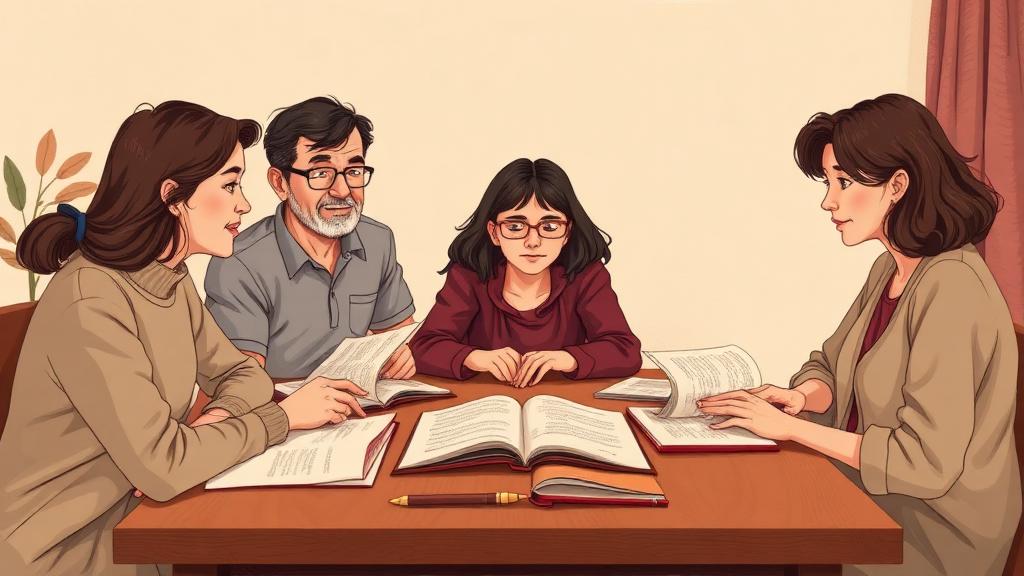
When a loved one's drinking or drug use spins out of control, fear takes over. Families often act from a place of panic, confusion, or anger, driven by the desperate hope of stopping the spiral. The instinct is to confront the problem head-on—stage an intervention, issue ultimatums, or try to reason with the person.
But without a solid understanding of addiction, these well-intentioned efforts can backfire. What begins as an act of love can easily turn into a battle of willpower and blame. Education—true, compassionate, evidence-based education—is the foundation that every family needs before they take that first step toward helping.
The Danger of Acting Without Understanding
Addiction is one of the most misunderstood diseases in our society. Too many families still view it as a matter of weak character, bad choices, or moral failure. These beliefs color every conversation, every emotional reaction, and every attempt to "help."
When family members approach a loved one armed only with frustration and assumptions, the outcome is nearly always damaging. The addicted person feels attacked, shamed, or misunderstood—feelings that often drive them deeper into the very behavior their family is trying to stop.
Education changes this dynamic. It transforms confrontation into conversation, anger into empathy, and confusion into clarity. Without understanding what addiction truly is and how it functions, families operate blindfolded, reacting to symptoms rather than addressing root causes.
Understanding Addiction as a Brain Disease
The first and most important thing families must learn is that addiction is not simply a choice—it's a chronic brain disease that alters decision-making and reward systems. Regular exposure to substances like alcohol or opioids changes how the brain processes pleasure, stress, and judgment.
Over time, physical and emotional dependence replaces voluntary control. The brain begins to treat the substance as essential for survival, overriding logic, consequences, and even love. That's why pleas like "Don't you see what you're doing to the family?" or "If you loved us, you'd stop" rarely work. The addicted person's brain is operating in survival mode—not reason.
When families understand this, they stop taking the addiction personally. They begin to see their loved one's behavior as symptoms of an illness, not as deliberate betrayal. This shift is powerful. It lays the groundwork for empathy and opens doors to meaningful communication.
The Role of Denial and Shame
Education also helps families recognize another critical factor: denial. Denial isn't lying—it's a psychological defense that protects the addicted person from unbearable shame and fear. When addiction thrives on secrecy and denial, confrontation without understanding often triggers defensiveness rather than openness.
Families who are educated on this dynamic learn to approach conversations with calm persistence instead of confrontation. They recognize small openings of honesty as progress rather than expecting instant breakthroughs. They also begin to understand their own feelings of guilt or shame and learn to separate the disease from the person they love.
Knowledge empowers families to stay grounded, reducing the emotional chaos that addiction breeds on both sides.
The Family Disease Model
Another critical piece of education involves recognizing that addiction doesn't exist in isolation—it infects the entire household. Even if only one person is using, every member is affected. Codependency, enabling, financial stress, resentment, and exhaustion become part of the family's everyday reality.
This is why experts often refer to addiction as a "family disease." Recovery must include family healing, not just individual abstinence. When families educate themselves, they learn healthier ways to interact, set boundaries, and detach from destructive patterns without withdrawing love.
Understanding their own role in the system doesn't mean families caused the addiction; it means they can become part of the solution instead of the chaos.
Educated Families Approach Differently
Before education, families often approach an addicted loved one with ultimatums: "You have to stop drinking or you're out of this house." or "If you don't go to rehab, we're done."
Education reframes these ultimatums into boundaries rooted in compassion and integrity: "I love you, but I can't support your drinking anymore. I'm getting help, and I want to help you get it too."
This kind of communication respects both people's dignity. It's firm, loving, and informed by the understanding that addiction cannot be bullied into remission.
Families with education also learn practical realities—such as how to find legitimate treatment programs, avoid scams, and understand the difference between detox, inpatient, outpatient, and aftercare. They learn about relapse as a potential part of recovery, not as failure. They understand how medications like naltrexone or buprenorphine can help, and they know what questions to ask when choosing professional help.
Where Families Can Start
Education doesn't require a degree in psychology or medicine. It begins with curiosity and a willingness to listen. Families can start by:
- Attending Al-Anon, Nar-Anon, or SMART Recovery Family & Friends meetings.
- Reading evidence-based books such as those by Dr. Gabor Maté, Dr. Nora Volkow, or William White.
- Consulting addiction specialists rather than relying on fear-driven advice online.
- Participating in family programs offered by treatment centers, many of which teach communication, boundary setting, and self-care.
- Seeking therapy for themselves.
When families commit to learning first, they reduce harm and increase the odds of success. Education turns chaos into stability, anger into understanding, and enables the addicted person to feel seen rather than condemned.
The Power of an Informed Approach
Addiction recovery often starts in the family—but only when the family has the right tools. Acting out of fear or outrage often pushes loved ones deeper into hiding. Acting out of knowledge opens a door.
Education doesn't make addiction less painful, but it makes it navigable. It teaches families what they can control and, more importantly, what they cannot. It shows them how to support recovery without losing themselves in the process.
Knowledge, empathy, and patience are the true beginning of healing. Before any confrontation, before any intervention or treatment, families must first learn—because love, no matter how fierce, needs understanding to truly help.