When You Don't Know Where You End and They Begin: Enmeshment, Addiction, and the Family Trap
A few years into my sobriety I was talking with a mom on the phone — let's call her Carol. Her son was 29, using heroin, and had been living in her basement for six years. She called me every week, sometimes twice. She knew his dealer's name. She knew which gas station he stopped at on the way home. She tracked his location on her phone. She'd lie awake cataloguing every breath he took.
When I gently pointed this out, she got quiet. Then she said something I've never forgotten: "If I stop paying attention to him, who am I?"
That question is the heart of enmeshment in families dealing with addiction. And it's one of the most important — and least talked about — dynamics in the entire recovery world.
What Is Enmeshment, and Why Does Addiction Make It Worse?
Enmeshment is a family pattern where the emotional boundaries between people become so blurred that individuals lose their separate sense of identity. In an enmeshed family, one person's feelings become everyone's feelings. One person's crisis becomes the whole family's crisis — every single day.
Addiction accelerates this. When someone you love is in active addiction, there's always a crisis. Always something to monitor, manage, fix, or brace for. The family's emotional life starts rotating entirely around the person who is using. Their moods set the temperature of the house. Their choices dictate everyone else's plans.
Here's what enmeshment looks like in a family struggling with addiction:
- You can't enjoy a good day because they're having a bad one.
- You feel responsible for their feelings — and guilty when you can't fix them.
- Your sense of purpose is tied almost entirely to managing their addiction.
- You tell yourself, "I just need to get them into treatment, then I can breathe."
- You've stopped making plans because everything depends on what they do.
Sound familiar? You're not alone — and you're not weak for being here. Enmeshment doesn't happen because you're foolish. It happens because you love someone and the situation trained you to believe that your vigilance was the only thing standing between them and catastrophe.
How Enmeshment and Addiction Feed Each Other
Enmeshment and addiction form a feedback loop that benefits neither person. The more enmeshed a family becomes, the harder it is for the person with addiction to feel the real weight of their choices — because someone is always cushioning the fall.
But it also traps the family members. When your entire emotional world is built around someone else's recovery or relapse, you stop growing. You stop tending to your own life. Your own health, friendships, career, and happiness quietly go on hold — indefinitely.
I've worked with families where parents hadn't taken a vacation in eight years. Spouses who hadn't had a meal with a friend without checking their phone every ten minutes. Adult siblings who had quietly put their own therapy, their own ambitions, their own relationships on a shelf — because there was no bandwidth left.
The cruel irony is this: your hyper-focus on your loved one is not helping them get sober. In many cases, it's making it easier for them to stay sick. When the family system is organized around the addiction, the addiction has a home.
Is This Enabling? How Enmeshment Overlaps With — but Differs From — Enabling
Enmeshment and enabling are related, but they're not identical. Enabling is a behavior — paying the bills, making excuses, cleaning up messes. Enmeshment is a relational pattern — the loss of separate identity that makes enabling feel not just natural, but necessary.
You can stop a specific enabling behavior and still be deeply enmeshed. I see this all the time. A parent cuts off their son's rent money — which is real progress — but they're still checking his social media at 2 a.m., still replaying every conversation, still organizing their entire emotional world around what he does or doesn't do next.
That's enmeshment. And it tends to be harder to address than enabling, because it lives deeper. It lives in questions like: Who am I when I'm not in crisis mode? What do I actually want? What would I do with myself if I weren't focused on saving him?
Those questions can feel disorienting at first — even selfish. They're not. They're the beginning of getting your life back.
How Do You Start to Untangle Enmeshment in Your Family?
Untangling enmeshment is a process, not a switch you flip. It takes time, support, and usually some outside help — a therapist, a support group like Al-Anon, or working with a professional like me. But there are places to start.
Here are five concrete starting points:
- Notice the merger. The first step is simply awareness. Start paying attention to how often you make decisions based on what your loved one might do or feel. When your mood follows theirs automatically, notice that. Don't judge it — just see it.
- Rebuild your own life in small ways. Pick one thing — one coffee with a friend, one hour of something you used to love — that has nothing to do with your loved one's addiction. Do it even if you feel guilty. Especially if you feel guilty.
- Work with a therapist who understands family systems. Enmeshment is deeply relational. It usually formed over years. Untangling it on your own is hard. A good therapist — particularly one trained in family systems or IFS — can help you find where you end and your loved one begins.
- Get into a family support group. Al-Anon, Nar-Anon, and SMART Recovery Family & Friends all exist because you need to hear from other people who've lived this. When someone in that room describes their pattern and it sounds exactly like yours, something shifts.
- Consider a professional intervention. If the addiction is severe and the family enmeshment is deep, a trained interventionist can help the whole family — not just the person using. Good intervention work addresses the system, not just the individual.
You Are Allowed to Be a Whole Person
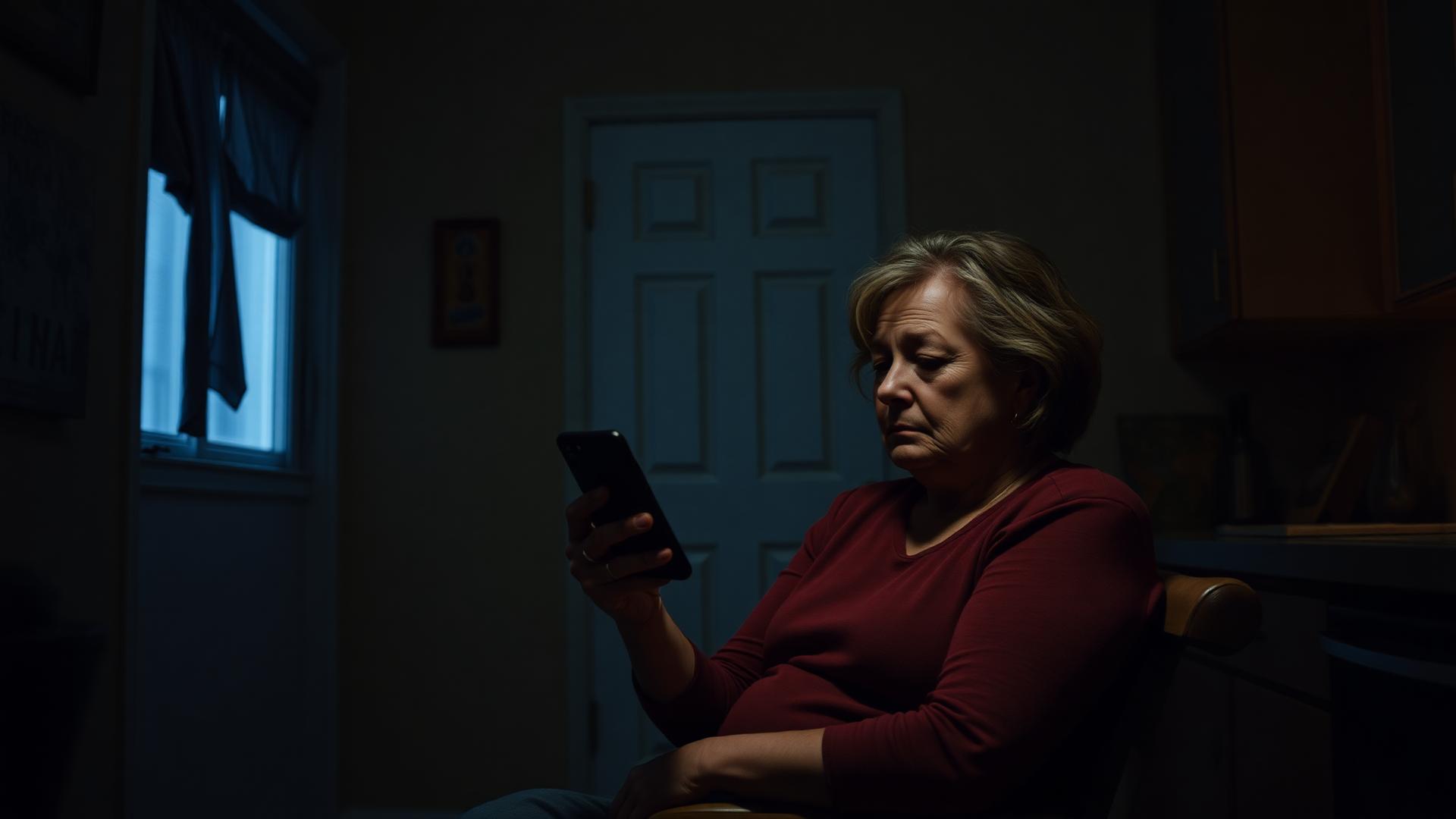
Here's the thing I want to say directly to whoever is reading this in the middle of the night, exhausted and scared: you are allowed to have a life that isn't defined by someone else's addiction.
I say that not to minimize your love for them. I say it because that love — if it's going to survive long enough to actually help — needs to be sustainable. And it cannot be sustainable if you've completely disappeared into it.
I've sat across from enough families to know that the ones who eventually get through this — whether their loved one gets sober or not — are the ones who refused to let addiction swallow their whole identity. They grieved. They adjusted. They got real support. And they kept living.
Carol, the mom I mentioned at the start? She eventually found a therapist, joined Al-Anon, and — slowly, painfully — started rebuilding her own life. Her son is still on his own journey. But Carol is no longer waiting for his journey to end before hers begins. That's what coming back to yourself looks like.
Frequently Asked Questions About Enmeshment and Addiction
What is enmeshment in a family with addiction?
Enmeshment is when family members lose their individual identity and emotional independence because the entire family system has organized itself around one person's crisis — in this case, addiction. It's characterized by blurred boundaries, emotional over-involvement, and a loss of separate selfhood. In addiction families, enmeshment is extremely common and often mistaken for love or loyalty.
Is enmeshment the same as enabling?
They overlap but aren't identical. Enabling refers to specific behaviors — giving money, making excuses, cleaning up consequences — that protect the addicted person from facing the results of their choices. Enmeshment is a deeper relational pattern where your sense of self becomes fused with the addicted person. You can stop enabling behaviors and still be highly enmeshed.
Can enmeshment make addiction worse?
Yes. When the family system organizes entirely around addiction, it can inadvertently make it easier for the person using to avoid confronting the full weight of their situation. Enmeshment also depletes family members, leaving them exhausted and less able to hold healthy boundaries or make clear-headed decisions.
How do I know if I'm enmeshed with my loved one's addiction?
Signs include: your mood is almost entirely controlled by what they do or don't do; you feel responsible for their emotions; you've stopped making plans or pursuing your own life; you can't enjoy a good day if they're having a bad one; and you struggle to imagine who you are outside of managing their addiction.
What's the best way to address enmeshment in addiction families?
A combination of individual therapy (especially family systems or IFS approaches), peer support groups like Al-Anon or Nar-Anon, and sometimes professional intervention work can all help. The goal is to restore individual identity and healthy boundaries — not to stop caring, but to care from a grounded place.
Can a family recover from enmeshment even if the addicted person doesn't get sober?
Yes — and this is one of the most important things I tell families. Your recovery and wellbeing are not contingent on your loved one getting sober. Families absolutely can and do rebuild healthy dynamics, restore individual identity, and find peace — even when the person with addiction remains in active use.
You Don't Have to Figure This Out Alone
If this resonated with you, listen to The Party Wreckers podcast for honest conversations about intervention, family dynamics, and recovery from both sides of the table.
And if you're ready to talk about what's happening in your family, visit FreedomInterventions.com. You don't have to figure this out alone.