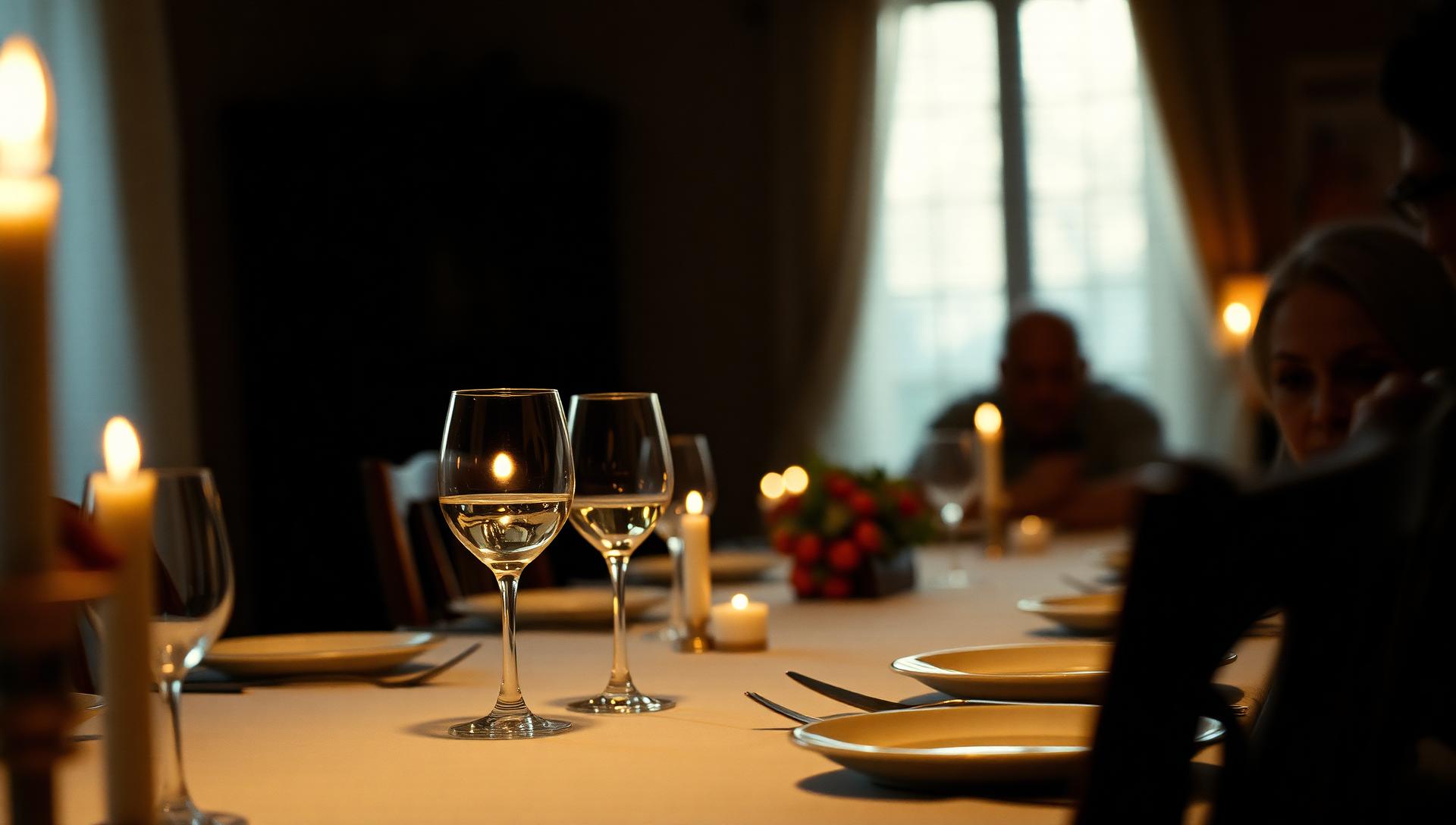
How Addiction Quietly Rewrites Family Holidays — And How to Get Them Back
Article answer
How does addiction change family holidays?
Addiction changes holidays by replacing presence with performance — the person is physically there but emotionally managing their use, image, or anxiety, while everyone else senses something is off but can't quite name it.
Families quietly adjust traditions, conversations, and timing to protect themselves.
Someone usually becomes the 'translator' managing the room's mood all day.
Kids notice far more than adults realize, including the hours of the day to avoid.
Best next steps
- 1.Have one honest conversation with one person — not at the table, not during the event.
- 2.Decide your own plan in advance for when things get uncomfortable.
- 3.Talk to someone outside the family — a coach, support group, or interventionist.
There's a Thanksgiving I think about more than I'd like to admit. I wasn't drunk at the table — that's the part people don't expect. I was sober-ish, sitting there, and still somehow not there. My mind was already planning the exit: how long I had to stay before it wasn't rude to leave, where I'd stopped on the way home, what I'd tell my wife about why I was "so tired."
Nobody at that table would have called it a crisis. It just looked like me being distant. Tired. A little off. That's addiction and family holidays in a nutshell — it rarely announces itself. It just slowly edits the people you love out of the room while their bodies are still sitting in the chairs.
How Does Addiction Change Family Holidays?
Addiction changes holidays by replacing presence with performance. The person is physically there, but emotionally they're managing — managing their use, their withdrawal, their image, or their anxiety about all three. Everyone else senses something is off, but because nothing "happened," the holiday just feels a little hollow, a little tense, and nobody can quite say why.
Over time, families adjust without realizing it. Traditions get smaller. Conversations get safer. Certain topics, certain relatives, certain hours of the day become things to plan around. That's not weakness — that's a family quietly protecting itself.
Why Do Holidays Feel Different When Someone Is Struggling?
Holidays feel different because they're high-stakes by design. More togetherness, more alcohol, more free time, more old roles getting reactivated. For a family touched by addiction, that combination turns a normal gathering into a minefield everyone is quietly tiptoeing through.
A few things tend to show up year after year:
- The countdown clock — someone is mentally tracking when it's "okay" to start drinking, or when they can leave.
- The translator role — one family member quietly manages the mood, smooths things over, runs interference.
- The empty chair — someone who used to come doesn't anymore, and nobody brings it up.
- The toast that lands wrong — a joke about "needing a drink" that gets a laugh from some and a flinch from others.
None of these are dramatic. That's exactly why they're so easy to normalize — and so hard to talk about.
The Tradition Nobody Talks About: Walking on Eggshells
Every family with active addiction develops an unspoken tradition: managing the room. Someone — usually a spouse, a sibling, sometimes a kid — becomes the family's emotional weather forecaster. They're reading the mood before anyone walks in the door, deciding what's safe to bring up, and running a kind of quiet triage all day long.
I've sat with families where the kids could tell you, without hesitation, exactly what time of day Dad would be "fine" versus "don't ask him anything." Eleven-year-olds shouldn't have that kind of intel. But they do, because kids are paying attention even when adults think they're not.
That eggshell-walking becomes its own holiday tradition — invisible, exhausting, and passed down without anyone deciding to pass it down.
What Can Families Do Differently This Year?
Families can start by naming what's actually happening instead of managing around it. You don't need a dramatic confrontation at the dinner table — you need one honest conversation, at the right time, with the right person, away from the holiday itself.
A few smaller moves that actually help:
- Pick one person to have one honest conversation with — not the whole family, not during the event.
- Decide your own plan ahead of time — what you'll do if things get uncomfortable, and stick to it without announcing it as a punishment.
- Stop performing normal — if a tradition has quietly become a source of dread, you're allowed to change it.
- Talk to someone outside the family — a coach, a support group, or a professional interventionist who isn't tangled up in the dynamic.
Make it smaller. One conversation. One boundary. One different choice this year. That's the whole assignment.
When Is It Time to Stop Waiting for the Right Holiday?
It's time to stop waiting when you notice you're already planning around next year's holiday the same way you planned around last year's — bracing, managing, hoping it'll be different without anything actually changing. That repetition is the signal, not the holiday itself.
Families often tell themselves they'll deal with it "after the holidays," so they don't "ruin" Christmas or Thanksgiving. Here's the truth: the holiday is already affected. The only question is whether you keep managing it quietly, or start addressing it honestly. One of those gets easier with time. The other doesn't.
Frequently Asked Questions
Why does my family member's addiction seem worse around the holidays?
Holidays combine more free time, more alcohol availability, more family stress, and reactivated old roles. This mix doesn't create the addiction, but it often makes existing patterns more visible and harder to ignore.
Should I confront a family member about their drinking during a holiday gathering?
Generally, no. A holiday gathering is high-stress and high-audience — the worst setting for an honest conversation. A calmer, private moment days before or after gives the conversation a much better chance of actually being heard.
Is it normal for kids to notice a parent's addiction even if nothing "happens"?
Yes. Children are often the most accurate observers in the house. They may not have the words for what's wrong, but they pick up on mood shifts, tension, and unspoken rules faster than adults realize.
What if changing a holiday tradition upsets other family members?
Some discomfort is likely, especially at first. But a tradition that requires everyone to quietly manage one person's addiction isn't actually serving the family — it's just familiar. Familiar and healthy aren't the same thing.
How do I know if it's time to consider a professional intervention?
If the same conversation has happened multiple times with no real change, if you're consistently planning around someone's use, or if you're afraid of what the next gathering will look like, it's worth talking to a professional interventionist about your options — even just to understand what's possible.
What Comes Next
You don't have to fix your whole family's history before the next holiday. You just have to stop pretending the eggshells aren't there. That's not betrayal — that's honesty, and honesty is where every real change starts.
If any of this sounds familiar, give The Party Wreckers podcast a listen — we talk about exactly this kind of thing, the stuff families notice but don't say out loud. And if you're at the point where you need more than a podcast — where you need a plan — reach out to FreedomInterventions.com. That's what we're here for.