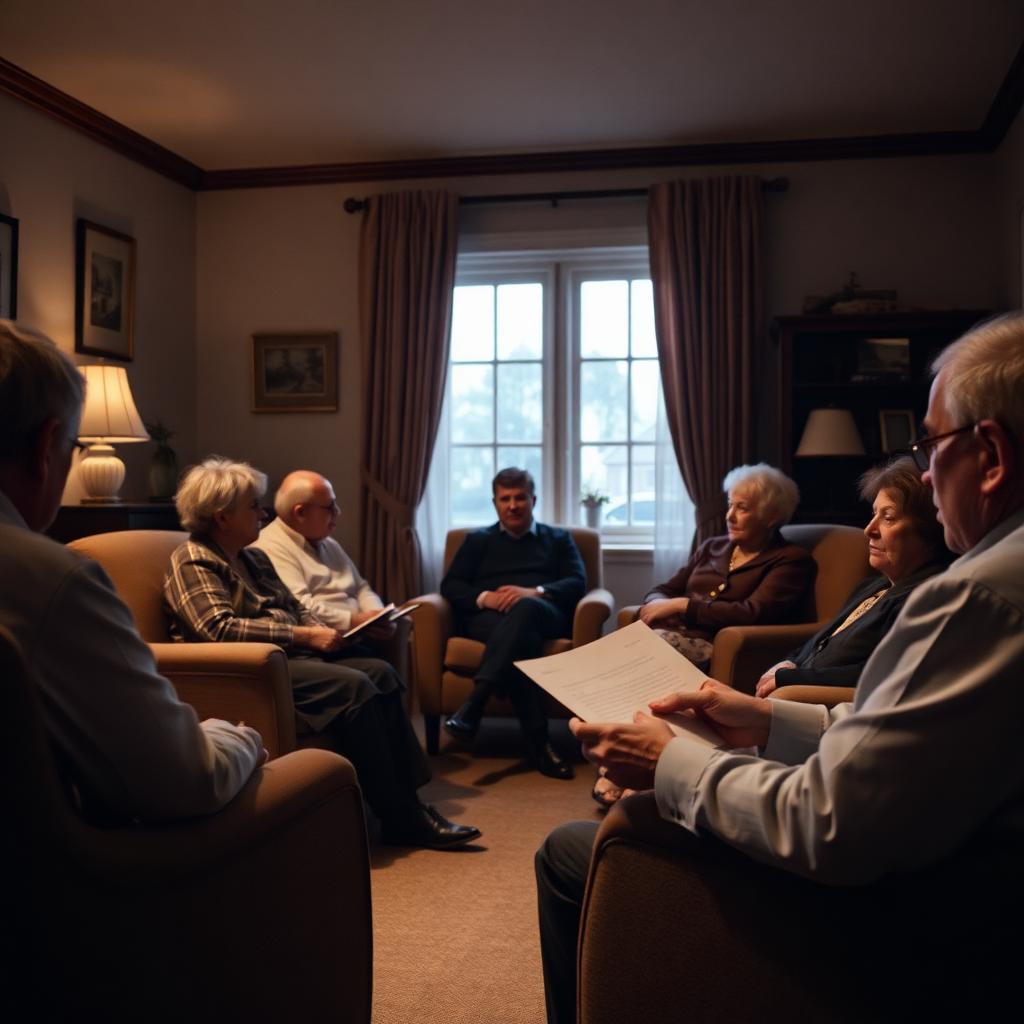
What Really Happens at an Intervention? What TV Gets Wrong — and What Your Family Should Actually Expect
Article answer
What really happens at an intervention?
A real intervention is a carefully prepared family meeting led by a professional, where people tell the truth with compassion and offer a clear path to help — with treatment already arranged before anyone sits down. The TV ambush is a distorted slice of a much longer process.
Surprise is optional — many interventions today are invitational, and that's a clinical decision.
You don't have to wait for rock bottom; a good intervention raises the bottom on a day the family chooses.
Letters work because they're prepared and lead with love, not because they're dramatic.
Best next steps
- 1.Expect days of preparation before the meeting and weeks of follow-up after.
- 2.Decide who belongs in the room and what boundaries the family will hold.
- 3.Have treatment, travel, and insurance arranged before the conversation happens.
Somewhere in the first phone call, almost every family asks me the same question. They lower their voice a little, like they're embarrassed to bring it up: "Is it going to be like the show?"
I know exactly which show they mean. For most people, the only intervention they've ever seen happened on a television screen — a hotel conference room, a stunned person walking into an ambush, tearful letters, someone storming out, dramatic music. If that's your only reference point, of course you're scared. I would be too.
Here's what I want you to know: what really happens at an intervention looks almost nothing like that. After more than twenty years of doing this work — and after being the guy my own family once needed to intervene on — I can tell you the real thing is quieter, kinder, and far more effective than television ever shows.
Is a Real Intervention Like the TV Shows?
No. A real intervention is a carefully prepared family meeting, led by a professional, where people who love someone tell the truth with compassion and offer a clear path to help. The confrontation you've seen on TV is a tiny, distorted slice of a much longer process.
Television needs conflict and a dramatic arc that resolves in forty-two minutes. Real families need something else entirely: a plan, preparation, and a room where their loved one can actually hear them. The show wasn't fake, exactly — but you saw the emotional peak and none of the days of preparation, family coaching, and follow-up underneath it.
Myth #1: The Intervention Is an Ambush
The surprise moment is what everyone remembers from TV, so families assume the ambush is the whole strategy. It isn't. In my experience, surprise is one of the least important parts of the process — and sometimes we skip it entirely.
Many of the interventions I do today are invitational. We literally invite the person to a family meeting and tell them what it's about. That sounds like it would never work. It works remarkably often, because most people struggling with addiction already know something is wrong. What they're waiting for — sometimes without knowing it — is for their family to get organized, get serious, and stop negotiating with the disease.
Whether we use surprise or invitation is a clinical decision, not a dramatic one.
Myth #2: You Have to Wait for Rock Bottom
TV loves rock bottom. The overdose, the arrest, the wreckage — that's the moment the cameras wait for. And that myth keeps families frozen for years, waiting for things to get bad enough to justify acting.
Here's the truth: rock bottom is not a requirement. It's a gamble. Some people's bottom is a DUI. Some people's bottom is a funeral. You don't get to pick which one you're waiting for.
An intervention exists precisely so you don't have to wait. We raise the bottom — bringing the consequences and the compassion into one room, on a day the family chooses, instead of a day the addiction chooses.
Myth #3: The Letters Are a Performance
On television, the letter reading is the emotional climax. Families sometimes think their job is to deliver a performance sad enough to break through.
The letters matter, but not because they're dramatic. They matter because they're prepared. When a family member speaks off the cuff to someone in active addiction, old arguments show up fast, blame creeps in, and the person shuts down in the first ninety seconds.
A prepared letter leads with love, names specific moments, and stays out of the courtroom. I help families write and rehearse them ahead of time — not to script their feelings, but to protect the message from the anger that years of fear tend to produce. The goal isn't tears. The goal is being heard.
What Really Happens at an Intervention, Step by Step
Here's what the process actually looks like when I work with a family:
- Assessment and planning. Long before anyone gathers in a room, I spend hours with the family learning the history, the medical picture, the relationships, and the risks.
- Family preparation. This is the real work. We decide who should be in the room, what each person will say, and what boundaries the family is prepared to keep. Often the family changes more in this phase than the person we're intervening on.
- Treatment arrangements. Before the meeting happens, a plan is already in place — a bed reserved, travel arranged, insurance verified. If the answer is yes, we move that day.
- The meeting itself. Calm, structured, and usually shorter than families expect. People speak in a planned order, and I keep the conversation from sliding into old fights.
- The follow-through. This is what TV cuts entirely. Whether the person says yes or no, the work continues — supporting treatment, coaching the family, and holding the plan together in the weeks that follow.
Notice what's missing from that list: shouting, cornering, humiliation. If those show up, the intervention is failing, not working. If you're still weighing whether it's worth doing at all, here's the honest answer on do interventions actually work.
Why the Calm Version Works Better
Addiction thrives in chaos. It feeds on conflict, because conflict gives the person a reason to walk out and a story to tell themselves on the way to the bar. The last thing I want to do is hand them that exit.
A calm room takes the exit away. When nobody is yelling, when the family is unified, and when the plan is already built, the person is left facing the one thing addiction can't argue with: a group of people who love them, telling the truth, with the door to help standing wide open.
I've sat in hundreds of those rooms. I've also been the person the room was for. From both chairs I can tell you: the moment that changes things isn't loud. It's usually quiet enough that you could miss it — a long pause, a nod, an "okay, I'll go."
If your family is stuck between fear of doing nothing and fear of the TV version, know this: there's a third option, and it's gentler and stronger than both. You don't have to wait, and you don't have to ambush anyone. You just have to start.
Frequently Asked Questions
Is a real intervention like the TV show Intervention?
Not really. Real interventions are calm, planned family meetings led by a professional, with treatment already arranged before anyone sits down. The dramatic ambush you see on TV is heavily edited and leaves out the preparation and follow-up that make interventions work.
Do you surprise the person, or do they know it's coming?
It depends. Some interventions use surprise, but many today are invitational — the person is told about the meeting and invited to attend. The right approach is a clinical decision based on the individual and the family's situation.
How long does an intervention actually take?
The meeting itself often lasts one to two hours, but the full process takes days of preparation before and weeks of follow-up after. The gathering everyone worries about is usually the shortest part.
What if my loved one gets angry and walks out?
It happens, and a professional plans for it. The boundaries the family sets remain in place, and many people say yes hours or days later. The intervention is the beginning of a process, not a single make-or-break moment.
Do we have to wait for rock bottom before intervening?
No. Waiting for rock bottom is a gamble with unpredictable stakes. A well-run intervention raises the bottom by bringing consequences and compassion together on a day the family chooses.
What happens if they say no?
The family still wins ground. Boundaries get set, enabling stops, and the person now knows exactly where the door to help is. Many people who initially refuse accept treatment within days or weeks — because the family finally changed the rules.
You Don't Need a Camera Crew. You Need a Plan.
If someone you love is struggling, don't let a television show write the script for what help looks like. Listen to The Party Wreckers podcast, where I talk every week about what this work really looks like from the inside. And if your family is ready to stop waiting, reach out through FreedomInterventions.com. The first conversation is just that — a conversation. Calm, honest, and nothing like TV.