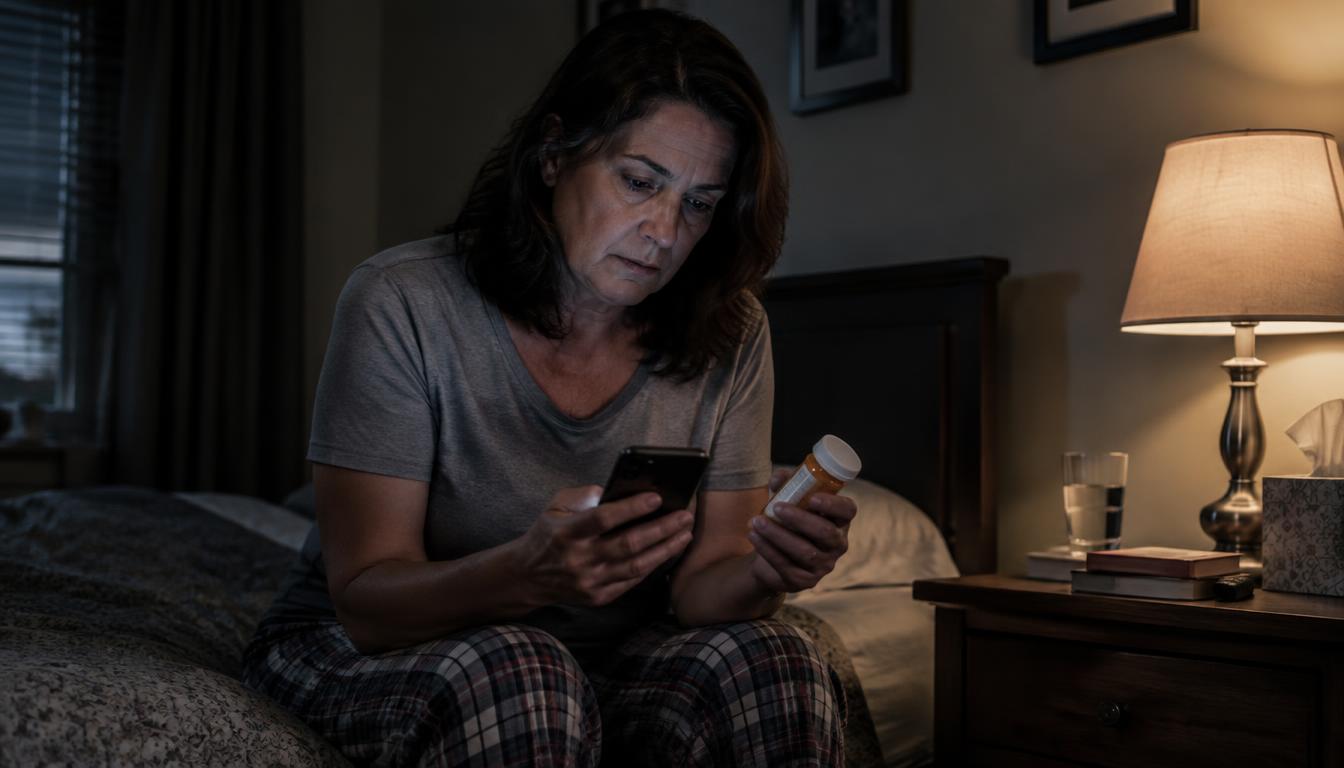
A mother once told me she could tell from the driveway whether her son had used that day. The angle he parked. Whether the porch light was on. She'd developed a whole detective system: counting pills in a bottle she'd hidden in her closet, checking his location on her phone every twenty minutes, doing a sweep of his room while he showered. She was exhausted, and she was very, very good at it. What she wasn't good at anymore was sleeping, working, or talking to her other kids.
I recognized her, because I was on the other side of that system once. My family monitored me too. And I want to tell you something that might sting: monitoring an addicted loved one has almost never stopped anyone from using. I know, because it didn't stop me. It just taught me to get better at hiding.
This one's about surveillance. The counting, the checking, the tracking, the sniffing. Why families do it, why it doesn't work, and what to do with all that energy instead.
Why Do Families Start Monitoring an Addicted Loved One?
Families monitor because it feels like control in a situation that has none. If you can't stop the drinking, at least you can know about it. Knowing feels like doing something, and doing something feels better than sitting with fear.
There's also a practical origin story. Usually monitoring starts with one real event. You found the bottle. You saw the text. Something got confirmed, and now you can't unsee it. So you start looking for the next one, and the next one, until looking becomes the job. It's the same nervous system that keeps a family walking on eggshells around an addicted loved one.
I want to be fair here: the instinct is love. Nobody counts pills because they're bored. They count pills because they're terrified of a phone call at 3 a.m. That fear is legitimate. The strategy is what's broken.
What Monitoring an Addicted Loved One Actually Does
Monitoring shifts the responsibility for the addiction from the person who has it onto the person watching. That's the core problem. The moment you become the pill-counter, the addiction becomes something the two of you are managing together, and the addicted person gets to stop managing it at all.
Here's what it looked like from my side, back when I was the one being watched:
- I learned the schedule. If someone checks the bottle Sunday night, you use Monday morning and top it off Saturday. Addicts are excellent project managers when the project is using.
- I got angrier, and I used the anger. Every search of my room gave me a fresh reason to feel wronged, and feeling wronged is great fuel for drinking. "They don't trust me anyway" is a very comfortable place to drink from.
- I stopped having to feel anything about my own behavior. My family was doing all the worrying. Why would I add to it?
The person being watched doesn't get sober from being watched. They get sneaky. And the person watching doesn't get peace. They get a second full-time job with no pay and no days off.
Is Checking Their Phone or Room Ever Okay?
There is one situation where I'll tell a family to look: immediate safety. If you believe someone may have overdosed, is suicidal, or a child is in danger, you open the door, you check, you call for help. That isn't surveillance. That's a rescue, and it's a one-time act with a clear purpose. If that's where you are, build an overdose safety plan before you need it.
Everything else is different. Ongoing monitoring to confirm what you already know isn't safety. It's evidence-gathering for a trial that's never going to be held. Ask yourself this honestly: if you found what you're looking for, what would you do differently tomorrow? If the answer is "nothing, I'd just know," then the search isn't for them. It's a way to manage your own anxiety, and it's a bad one.
The question that ends most searches
When a family member tells me they need to check the phone "just to be sure," I ask: sure of what? You already know. You've known for a while. The last twelve searches confirmed it. The thirteenth won't change the situation, but it will cost you another night.
What to Do With All That Energy Instead
The energy you spend monitoring an addicted loved one is real energy, and it can go somewhere useful. The shift is from watching them to preparing yourself. Here's what that looks like in practice.
- Stop the secret surveillance and say so. Out loud. "I've been checking your phone and counting your pills. I'm going to stop, because it isn't helping either of us. I know what's happening. You don't have to hide it from me, and I'm not going to pretend I don't see it." That sentence changes the whole relationship. It takes the game away.
- Replace the question "Did they use today?" with "What is my plan?" Families spend years knowing exactly what their loved one did last night and having no idea what they themselves will do next month. Flip that ratio.
- Decide your actual limits and put them in writing. Not threats. Limits. What you will and won't fund, allow in your home, or cover for. That's the real work of setting boundaries with an addicted loved one. Then live by them whether or not you found anything in the drawer.
- Get eyes on the actual solution. Talk to a professional about what treatment options exist, what it would cost, and what to expect when you call an interventionist. Do this before the next crisis, not during it.
- Put the time back into your life. The Monday night calls, the gym, dinner with your other kids, whatever it is. Your addicted loved one will notice you have a life again. That's not cruelty. That's a mirror.
You'll feel worse for about a week. Not knowing is its own kind of terror, and you've been medicating it with information. But the fear settles, and what replaces it is something you haven't had in a long time: your own attention.
What Happened With the Mom in the Driveway
She stopped. It took her a couple of tries, and she cheated once, which she told me about with real embarrassment. But she stopped. She told her son what she'd been doing and that she was done. She told him what she would do if she found drugs in her home again, and what she would help pay for if he wanted treatment.
He didn't get sober that week. Nobody does on that timeline. But about two months later he asked her for the number of the place she'd mentioned. He said, and she quoted this to me, "I figured you'd stopped caring." She hadn't. She'd just stopped watching. And with nobody watching, he finally had to look at himself.
That's the whole trade. You give up knowing, and they get handed back the weight. Sometimes that weight is what finally moves them.
Closing Thought
I was watched for years, and I got very good at being watched. The thing that eventually got through to me wasn't a search. It was people who loved me deciding they were going to live their lives and offering me a door if I wanted one. Put down the pill bottle. You already know what's in it. Pick up your own life instead, and get somebody in your corner who can help you plan what comes next.
Related Reading
If this sounds like your house, you're not alone and you're not crazy. Listen to The Party Wreckers podcast for real conversations about what families go through and what actually helps. And when you're ready to talk about a plan, reach out at FreedomInterventions.com. I'd rather help you build the next step than have you count one more pill.